
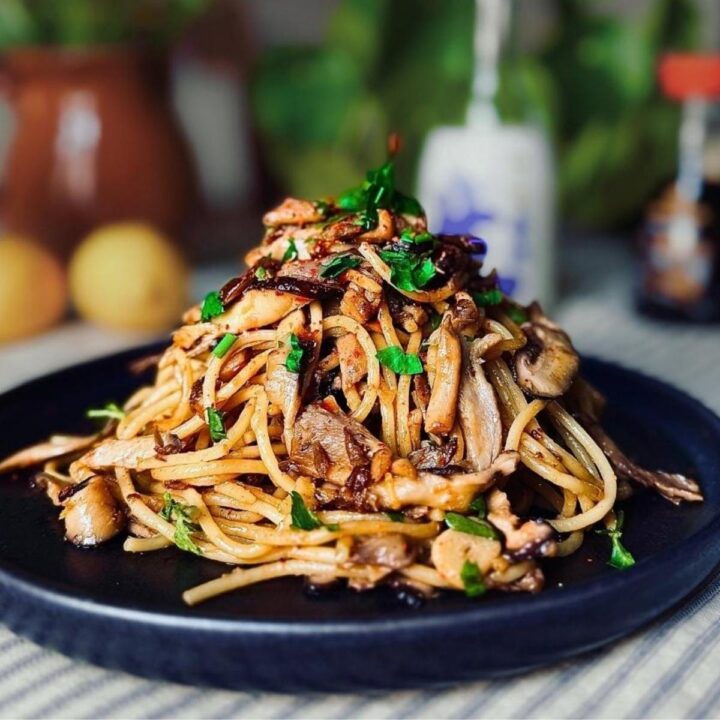
Garlicky mushrooms, silky miso butter, a kick of chilli, a hit of lemon - this creamy miso mushroom pasta is where Japan and Italy finally stopped arguing and agreed to have dinner together. Plant-based, ready in 30 minutes, and dangerously good. If this is your kind of thing, my miso pesto pasta, Takana spaghetti, and Japanese mushroom spaghetti are all cut from the same cloth.
Miso Mushroom Pasta – At a Glance
Ask AI about this recipe
Summaries, substitutions, scaling, allergen checks — or save this site to your AI for future recipe ideas.
AI answers can be wrong. Treat them as suggestions, not as a substitute for the recipe above.
What is Miso Mushroom Pasta?
Miso mushroom pasta is a good example of yōshoku, Western-style dishes adapted to Japanese tastes. It is not a traditional Japanese recipe, but pastas made with miso or soy sauce are common in Japan, especially in cosy cafés and family restaurants. They take familiar Italian comfort food and give it a Japanese spin, often using pantry staples such as miso, soy, and mirin.
Mushrooms help explain why this kind of pasta is so popular in Japan. Shiitake, enoki, maitake, and shimeji all come into season through autumn and winter, making the dish especially popular when the weather turns chilly. They pair beautifully with the savoury depth of miso, creating a pasta that feels both Japanese and Italian: golden mushrooms in a silky miso butter sauce with chilli and lemon zest to keep it bright. It is the perfect hybrid of Japanese umami and Italian comfort.
What to Serve with Miso Mushroom Pasta
This pasta is rich and full of umami, so it pairs nicely with something fresh on the side and a crisp drink to go with it.
On the side, we like a small bowl of edamame with sea salt and a simple watercress salad with Japanese sesame seed dressing. The peppery greens and nutty dressing cut through the richness of the sauce.
For drinks, try a chilled Japanese beer such as Asahi or Sapporo. You can see more of our favourites in my guide to the best Japanese beers. If you would rather keep things non-alcoholic, mugicha (roasted barley tea) is a great match with its toasty, nutty flavour.
Jump to:
Ingredients
This is an overview with extra tips and guidance. See the recipe card for ingredients quantities.
- Mushrooms
- Olive oil
- Garlic
- Lemon zest
- Sea salt
- Mirin
- Soy sauce or tamari
- Black pepper
- Chilli
- Flat-leaf parsley
- Plant-based butter
- Spaghetti
- Miso paste
- La-yu chilli oil
- Shichimi togarashi
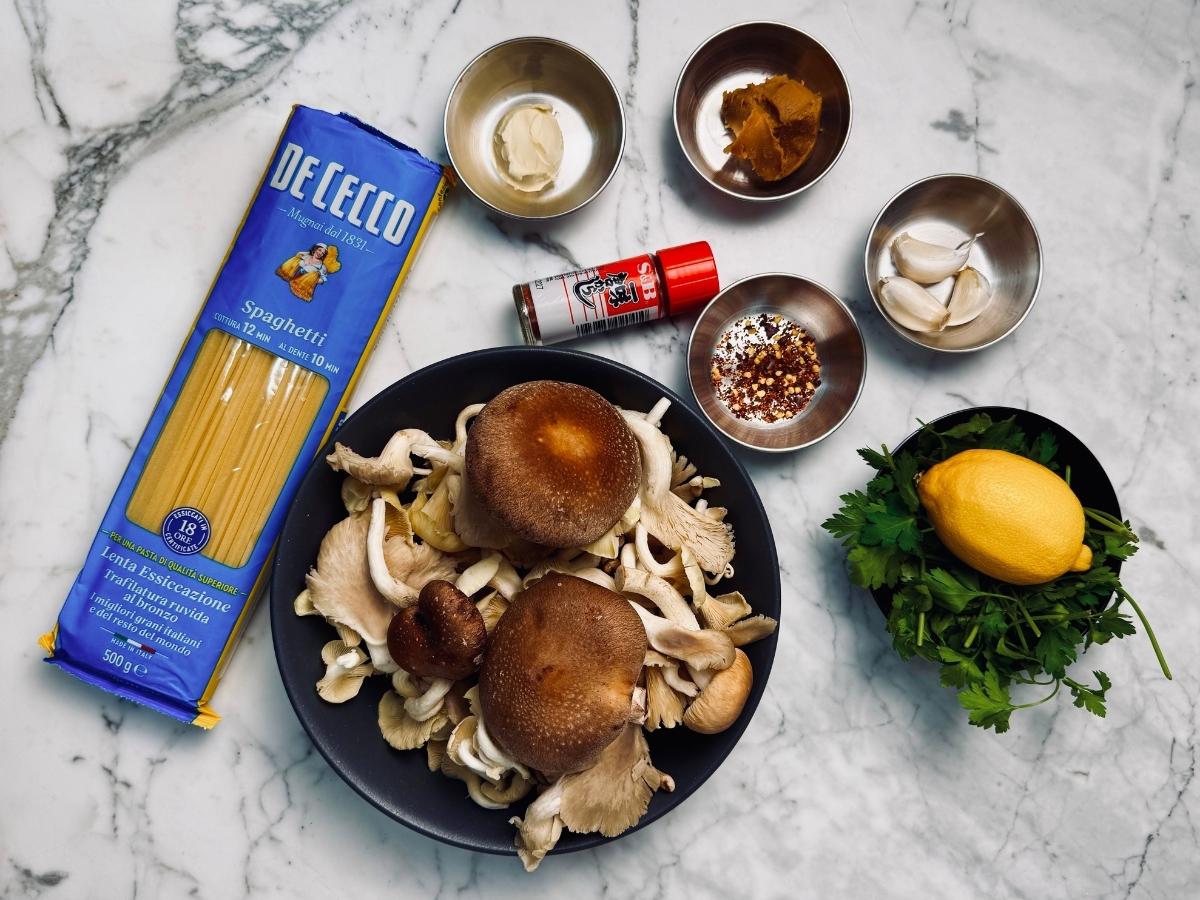
This pasta leans on a few Japanese pantry staples along with everyday ingredients. The mushrooms are the star, and it is worth using at least two types if you can. Many shops sell pre-packed "gourmet" mixes that include shiitake, oyster, chanterelles, and eryngii, but maitake, enoki, portobello, or chestnut mushrooms also work beautifully. Whatever you choose, a mix of mushrooms will bring variety and give the pasta wonderful texture. If you enjoy mushroom-based pasta, you might also like our Mushroom Wafu pasta.
For the miso paste, use white (shiromiso) for a light, slightly sweet flavour or red (akamiso) for something deeper and bolder. I often blend the two, which creates a nice balance. When buying mirin, look for hon mirin such as Hinode, which is best because it doesn't contain syrups and artificial flavourings. For the pasta, any long shape will work well to soak up the flavors of the miso and mushroom. In this recipe we use spaghetti, but linguini, pappardelle, or tagliatelle are also excellent choices. To finish, keep a bottle of La-yu chilli oil and some shichimi togarashi on hand. They are part of the essential Japanese ingredients we reach for often, adding warmth, spice, and a nutty sesame kick that takes the pasta to another level.
How to Make Miso Mushroom Pasta
This pasta comes together in four main stages:
- Cook the pasta
- Prep the sauce ingredients
- Cook the mushrooms with miso to make the sauce
- Bring it all together and serve
Steps 2 and 3 happen while the pasta cooks, so timing is key. By the time the spaghetti is ready, the miso mushroom sauce should be too. From there you can toss it all together, plate up, season, and serve. If you want the quick version, head to the printable recipe card below. For extra tips and step-by-step photos, read on for the full walkthrough.
Cook the pasta
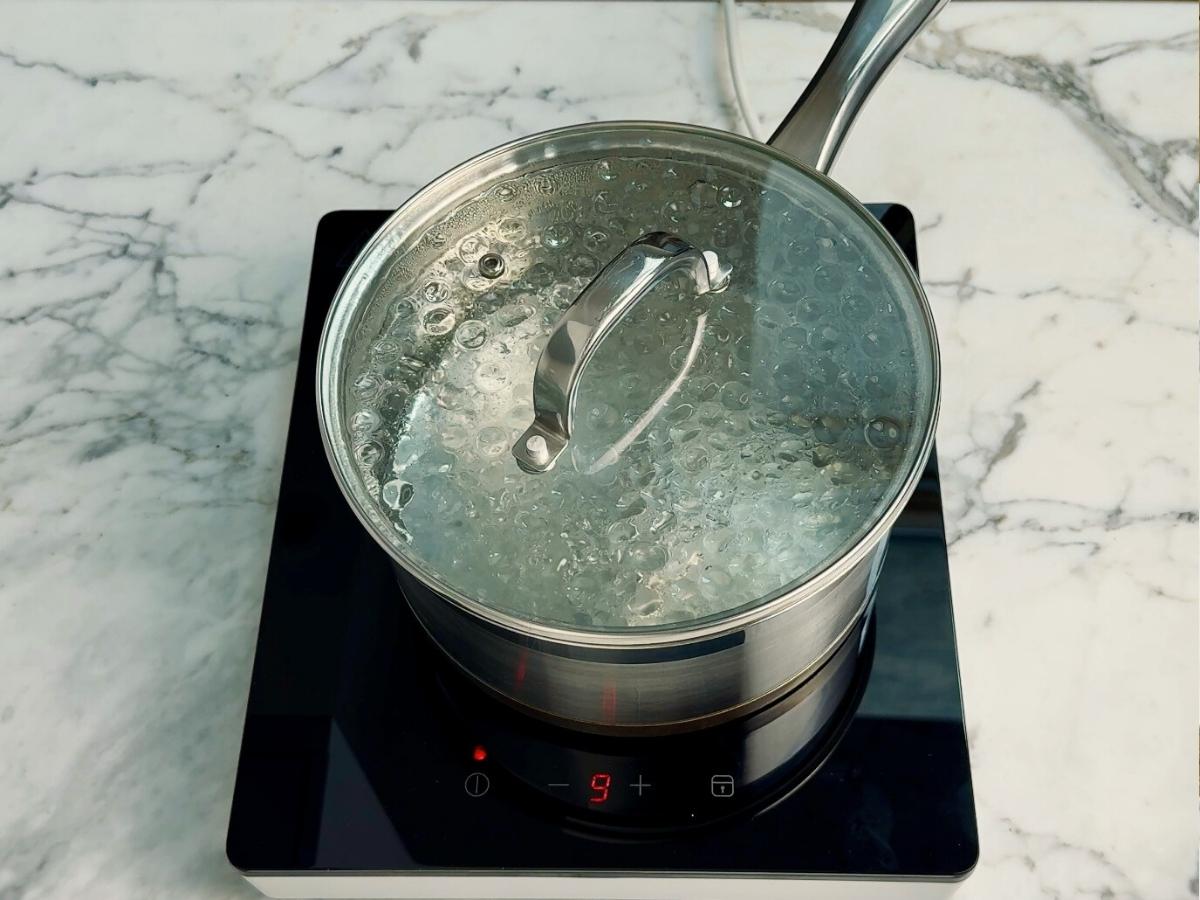
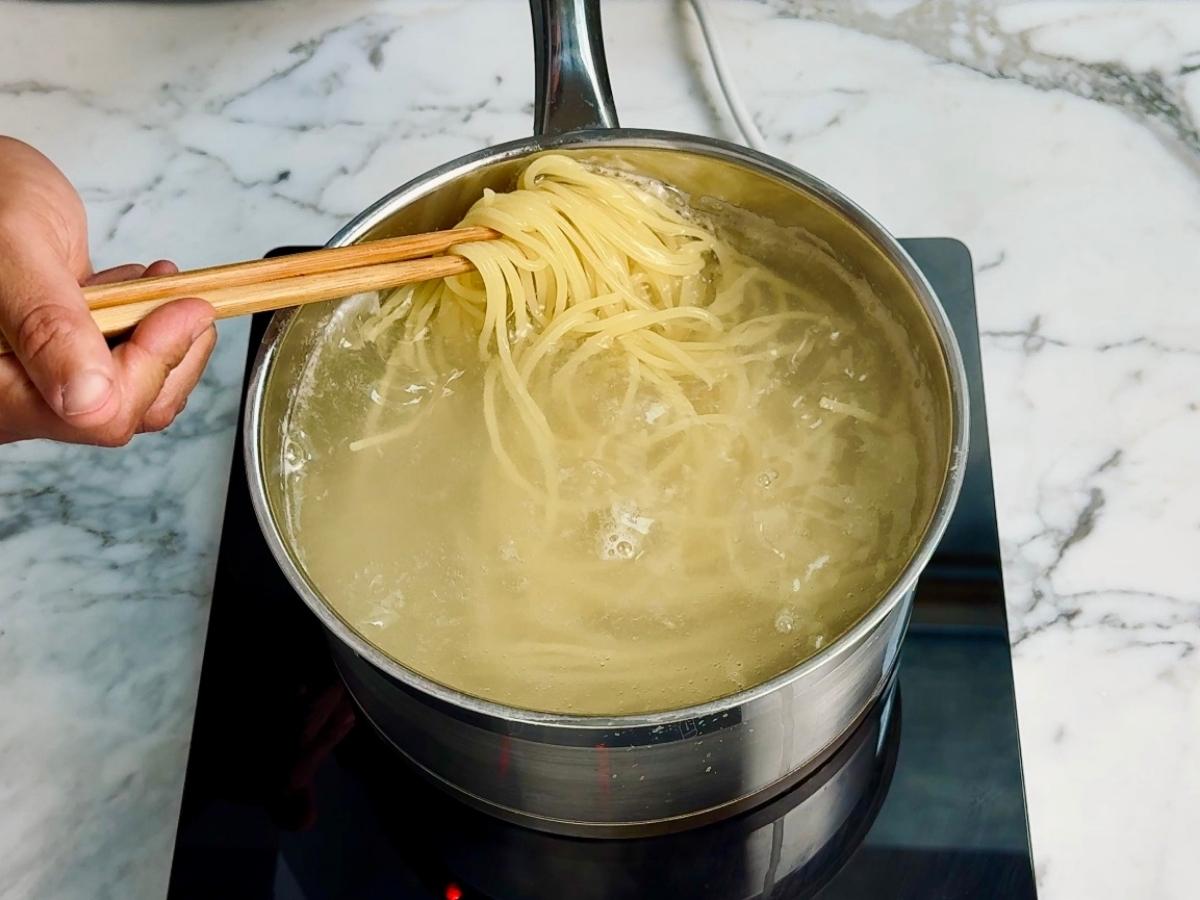
Fill a large pot with plenty of water, season generously with sea salt, and bring it to the boil. As a rule of thumb, use about 1 litre of water for every 100 g of pasta, with 1½ teaspoons of salt per litre. Drop in the spaghetti and cook until just shy of al dente, usually about a minute less than the packet suggests. This way the pasta will finish cooking when you toss it with the sauce.
Prep the sauce ingredients
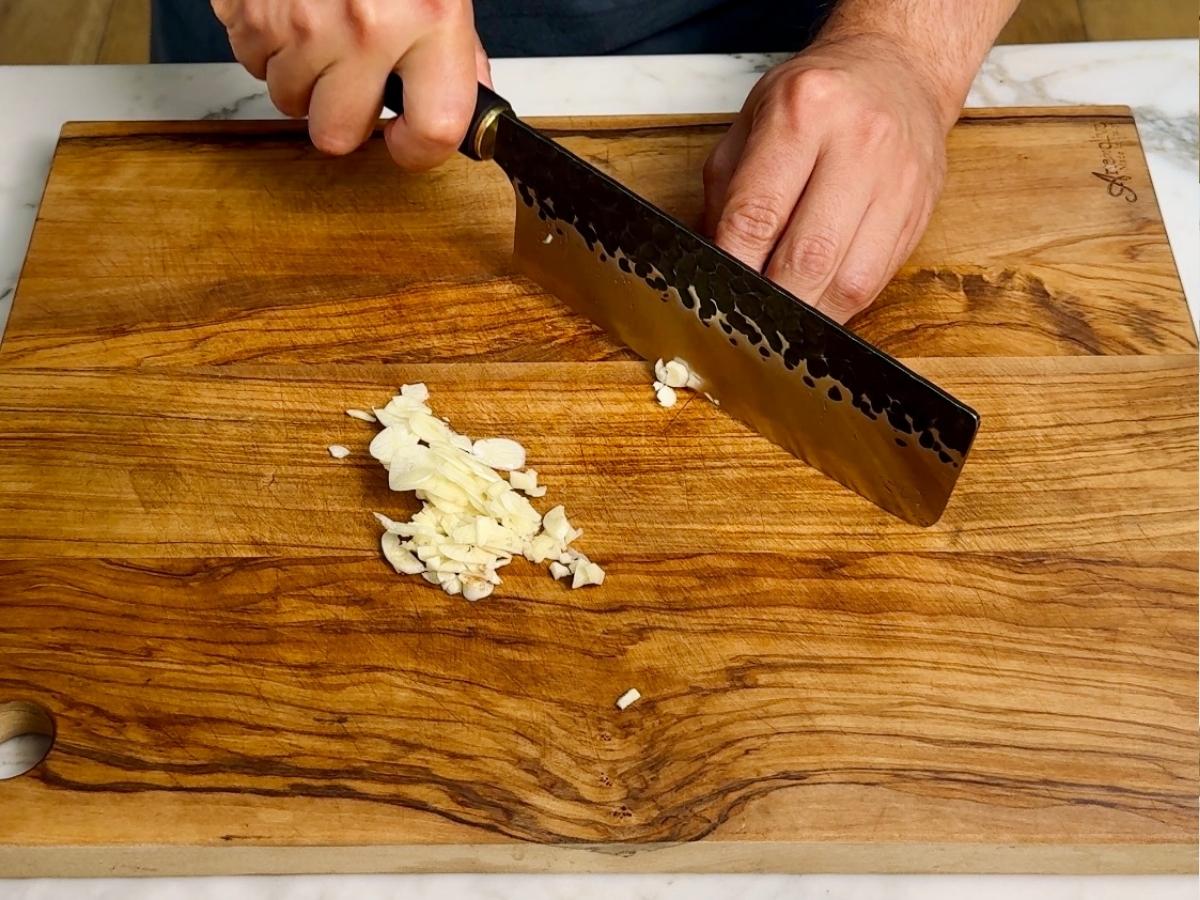
While the pasta cooks, prep the mushrooms and garlic first. Slice your peeled garlic cloves into thin discs. A sharp knife makes this quick and precise, which is always worth the effort and makes prep so much more enjoyable!
Tip: Look out for chef's garlic, the variety with larger cloves. They are easier to peel and slice cleanly, which saves prep time and avoids the fuss of sticky small cloves.
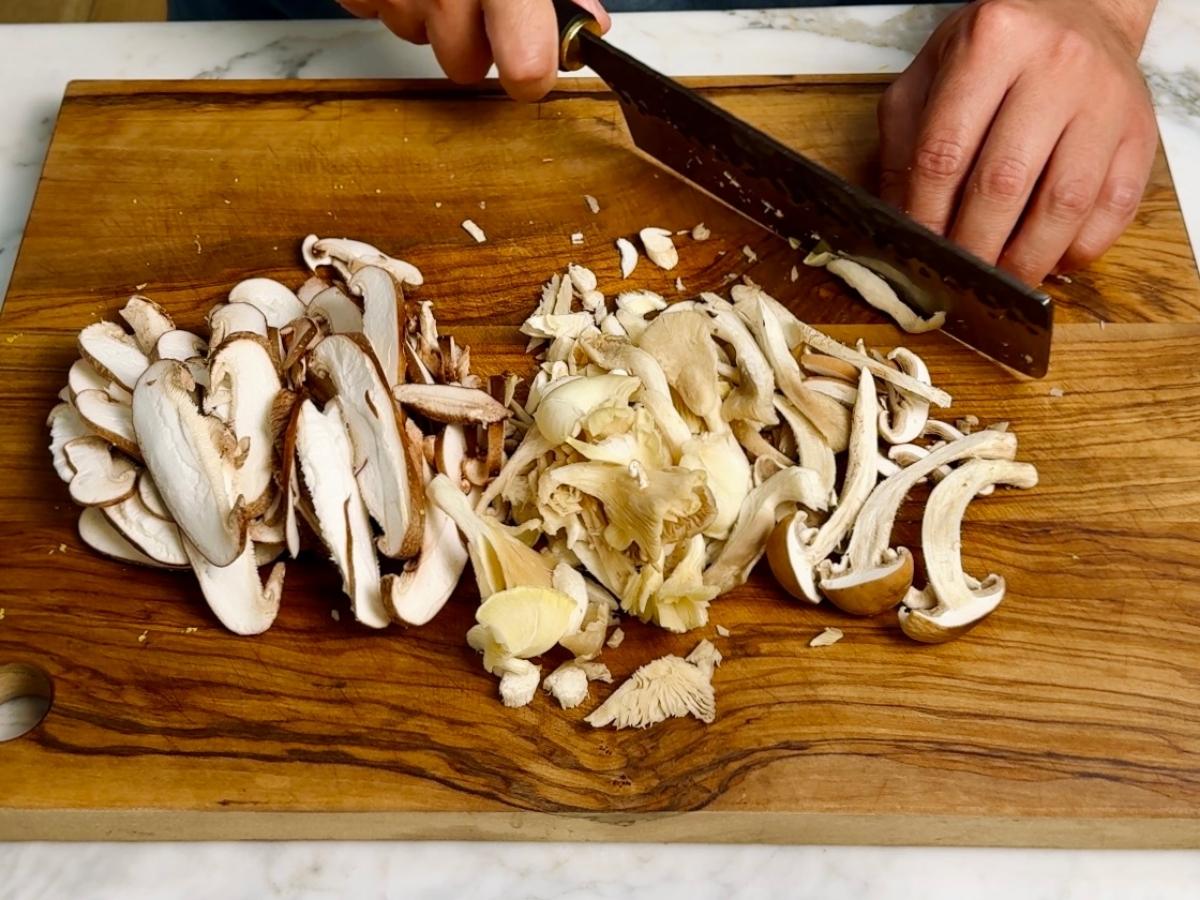
Clean the mushrooms by gently brushing off any dirt. Slice them into ½ cm strips for even cooking. Delicate ones like chanterelles can be torn by hand, while meatier mushrooms such as shiitake or portobello are best cut with a knife. Aim for consistency so everything cooks evenly.
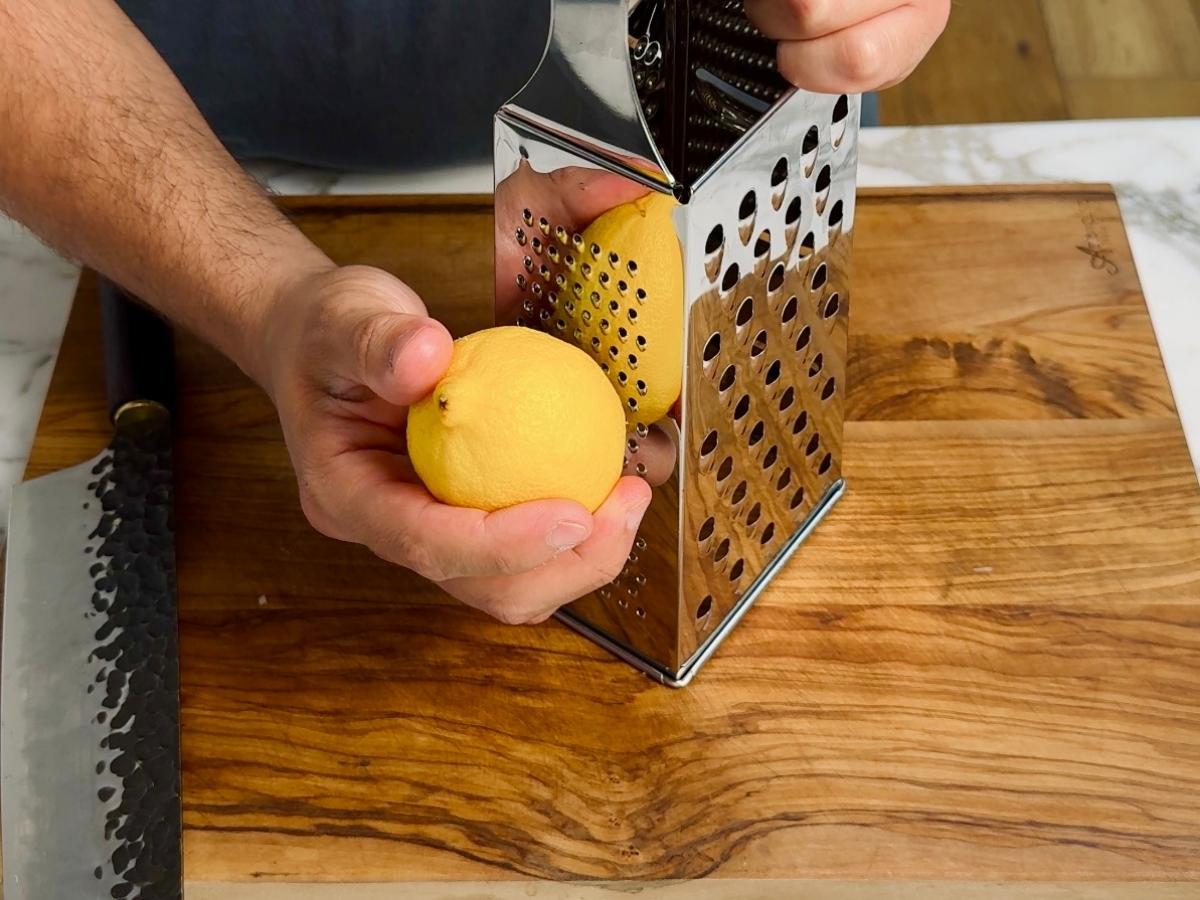
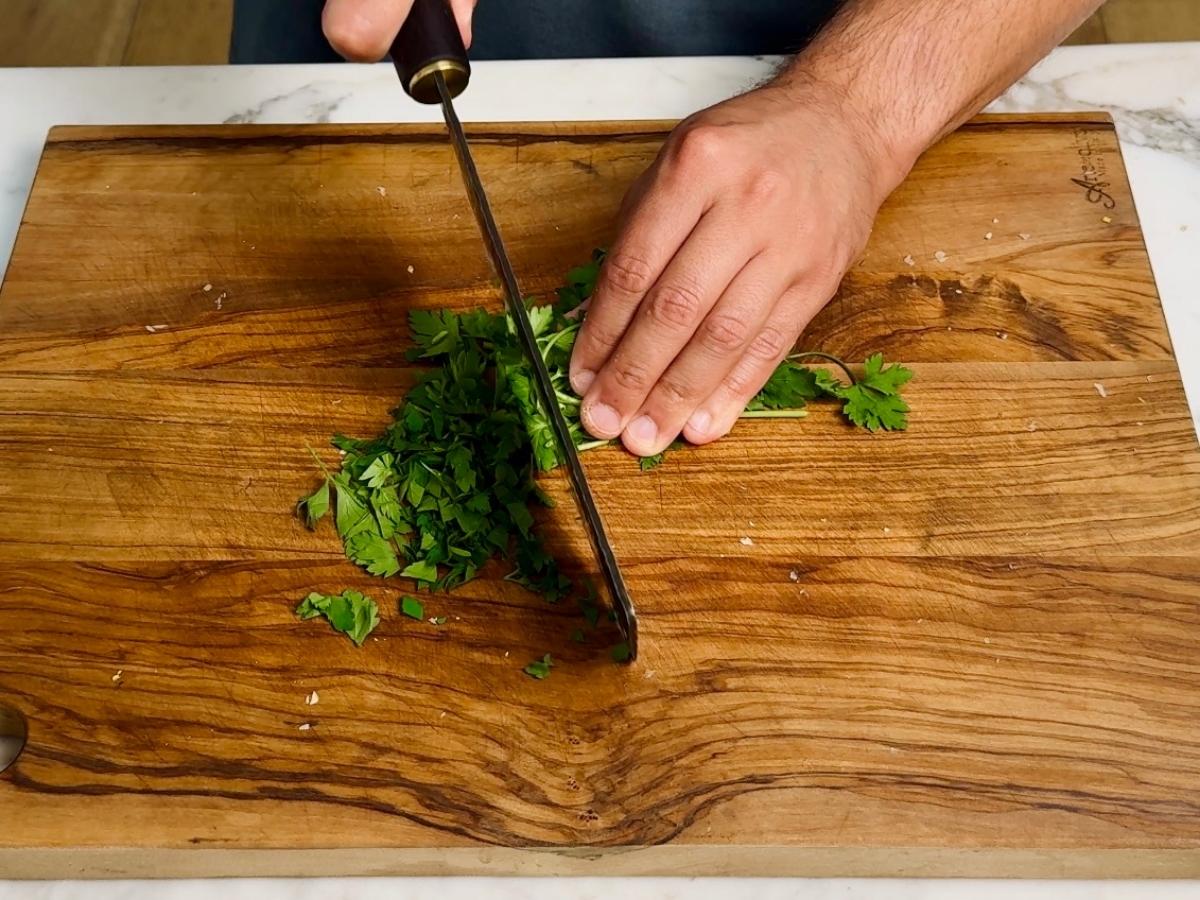
Then grate the zest from your lemon using the fine side of a grater. Turn the fruit as you go and stop just before you hit the bitter white pith. Roughly chop the parsley stalks included, for extra flavor. Chop a little finer towards the stalks if they feel tough.
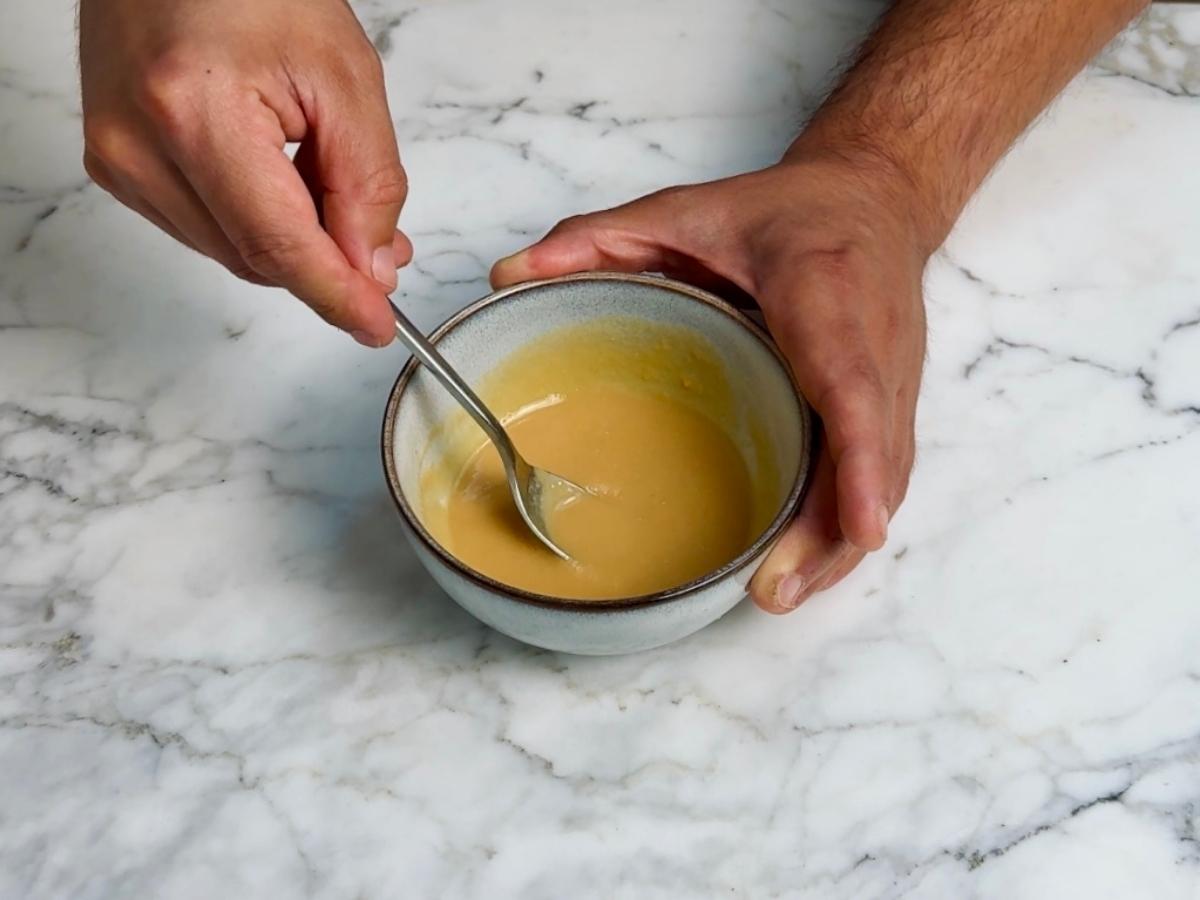
In a small bowl, thin the miso paste with a small amount of hot (but not boiling) water. About two tablespoons will do the trick. Stir until smooth and soupy, with no lumps. This ensures an even coating of miso throughout the pasta dish.
Cook the mushrooms with miso to make the sauce
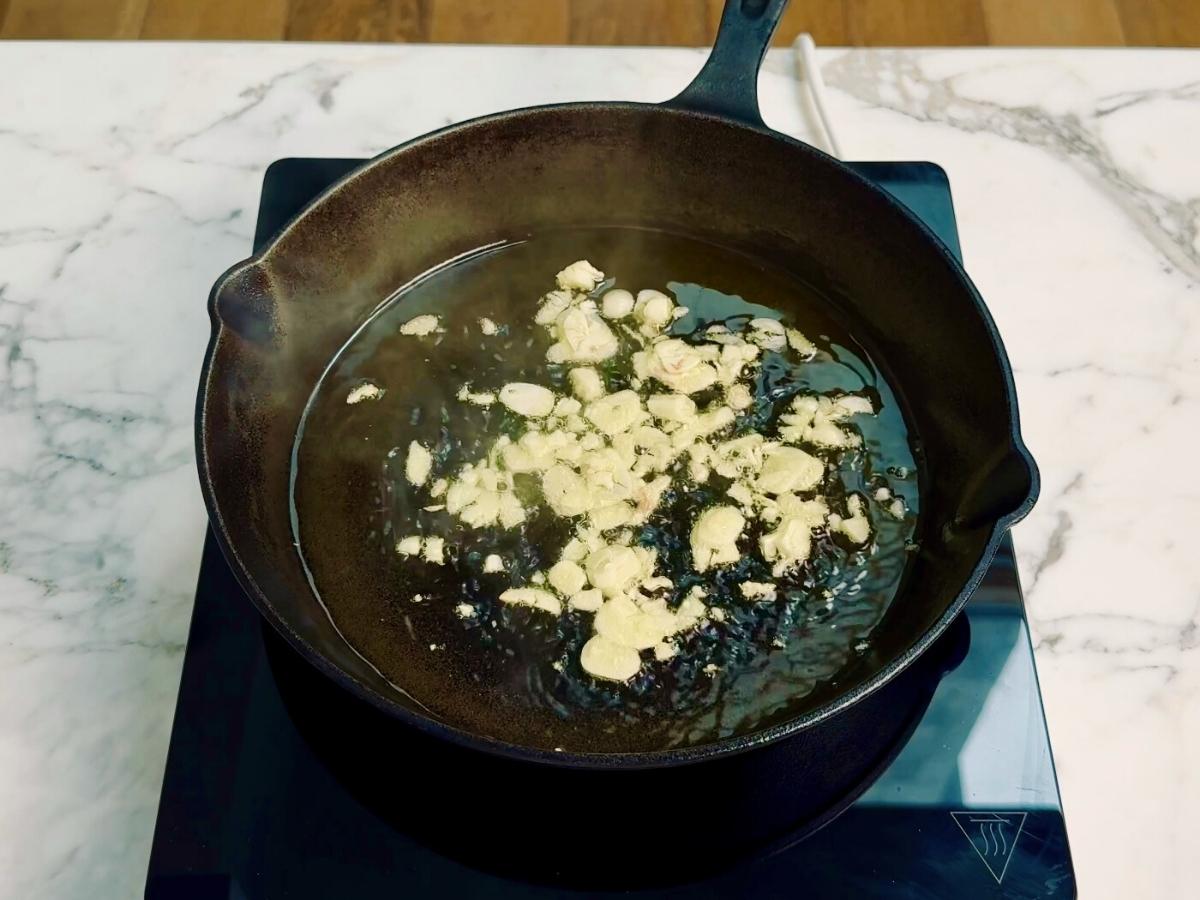
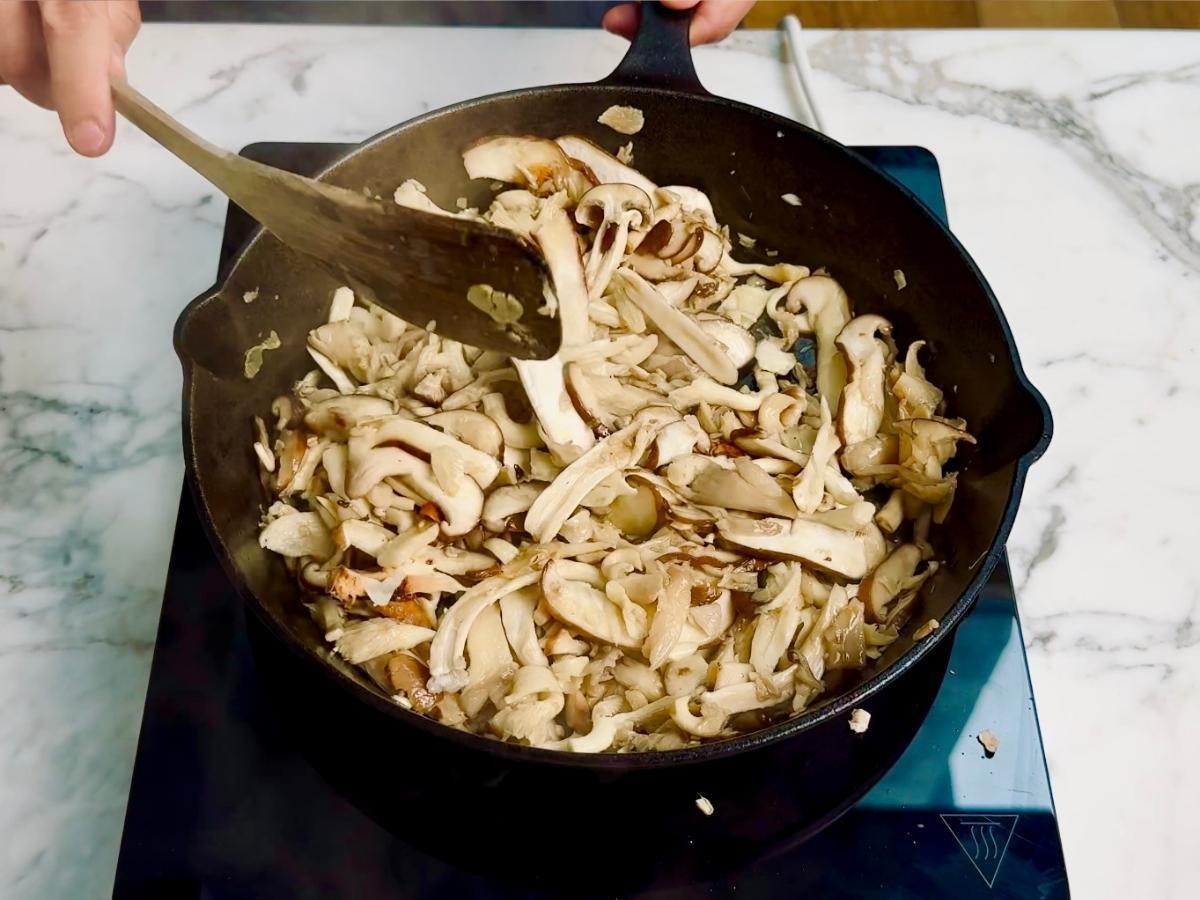
Heat the olive oil in a large frying pan over medium heat and add the garlic. Let it sizzle, and as soon as it starts to turn golden, add the mushrooms. Turn the heat up slightly so their moisture evaporates. This is very important, because you want them to fry rather than steam for the best texture.
Tip: Don't overcrowd the mushrooms. If your pan is small or you're making a bigger batch, cook them in stages. Giving them space helps them turn golden and tasty instead of steaming and going soggy.
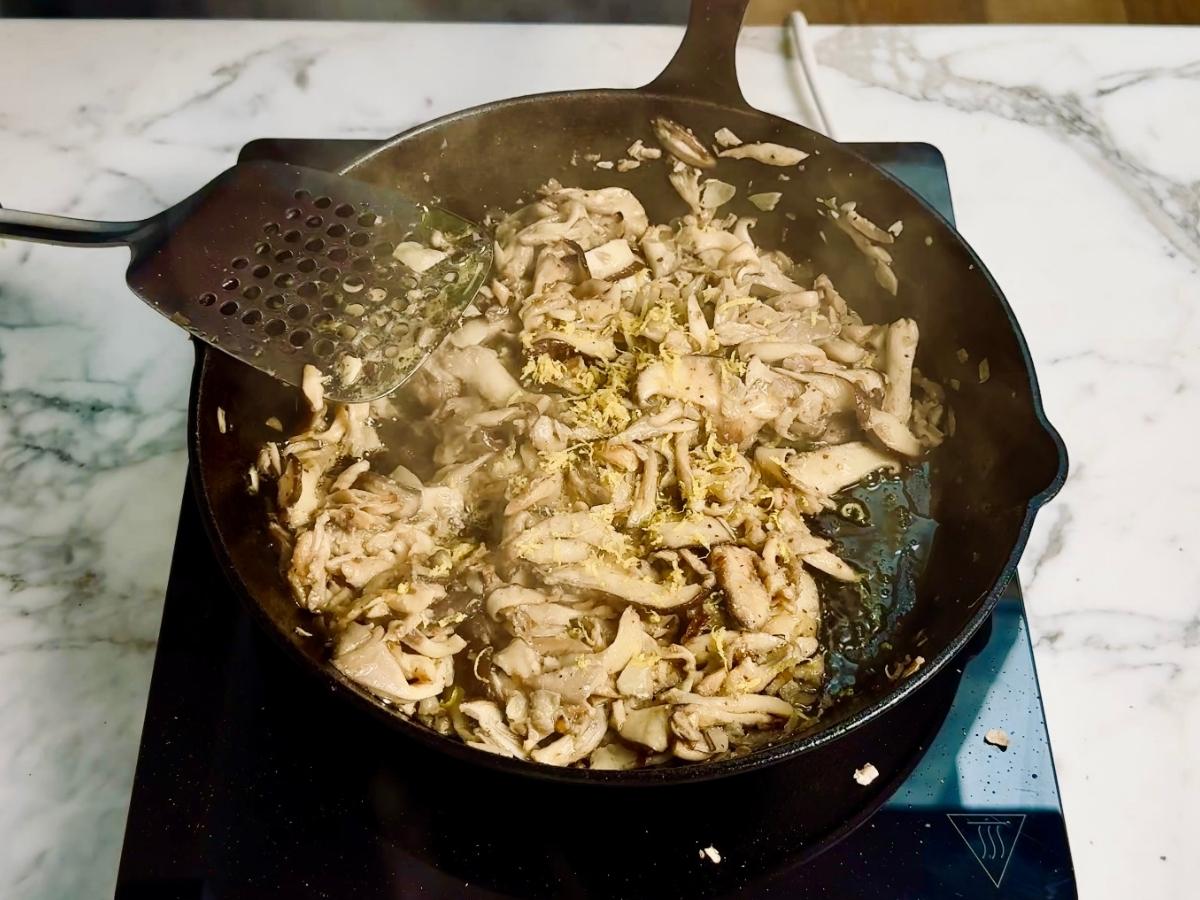
Once the mushrooms are coated with garlic oil and browning nicely, stir through the plant-based butter and miso paste mixture. Fry for another couple of minutes, then add the lemon zest, chilli, soy sauce, and mirin. Keep everything moving so the pan stays lively with a good sizzle! You want char and steam, but no burning. Taste and adjust the seasoning with more soy, mirin, salt, or pepper as needed. Then drop the heat to keep the pan warm while you sort the pasta. By now it should be just undercooked and ready to finish in the miso mushroom sauce in the final step.
Bring it all together and serve
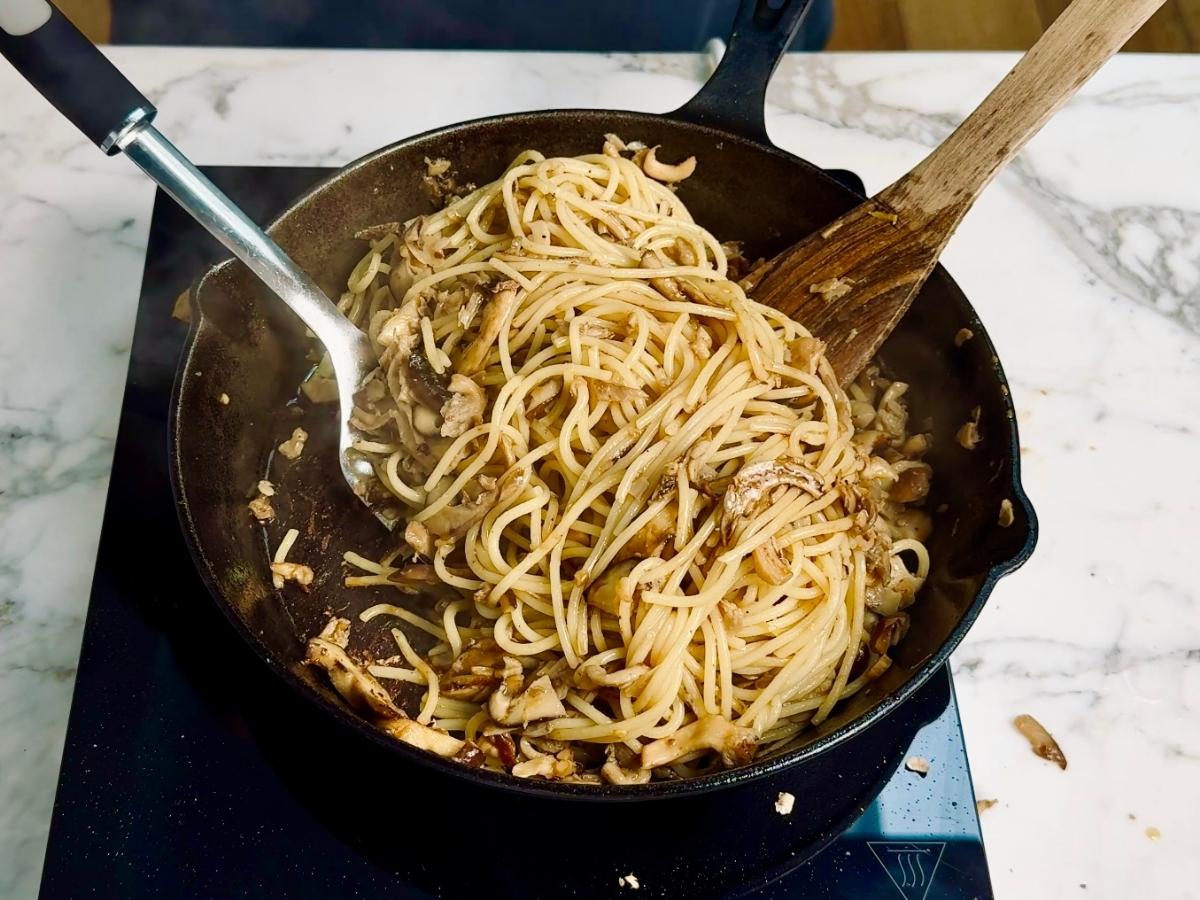
Drain the pasta, then turn the pan back up to medium-high. Add the spaghetti straight in and toss it through the miso mushroom sauce so every strand is coated. This final stage is what makes the dish, where the pasta finishes cooking in the sauce, soaking up the umami and binding together with the mushrooms and butter. If it looks a little dry, add a splash of the starchy pasta water to loosen it. You can also adjust the balance here with a touch more soy, mirin, or olive oil. Keep tossing until the spaghetti and mushrooms are evenly combined and everything looks glossy with the miso butter sauce.
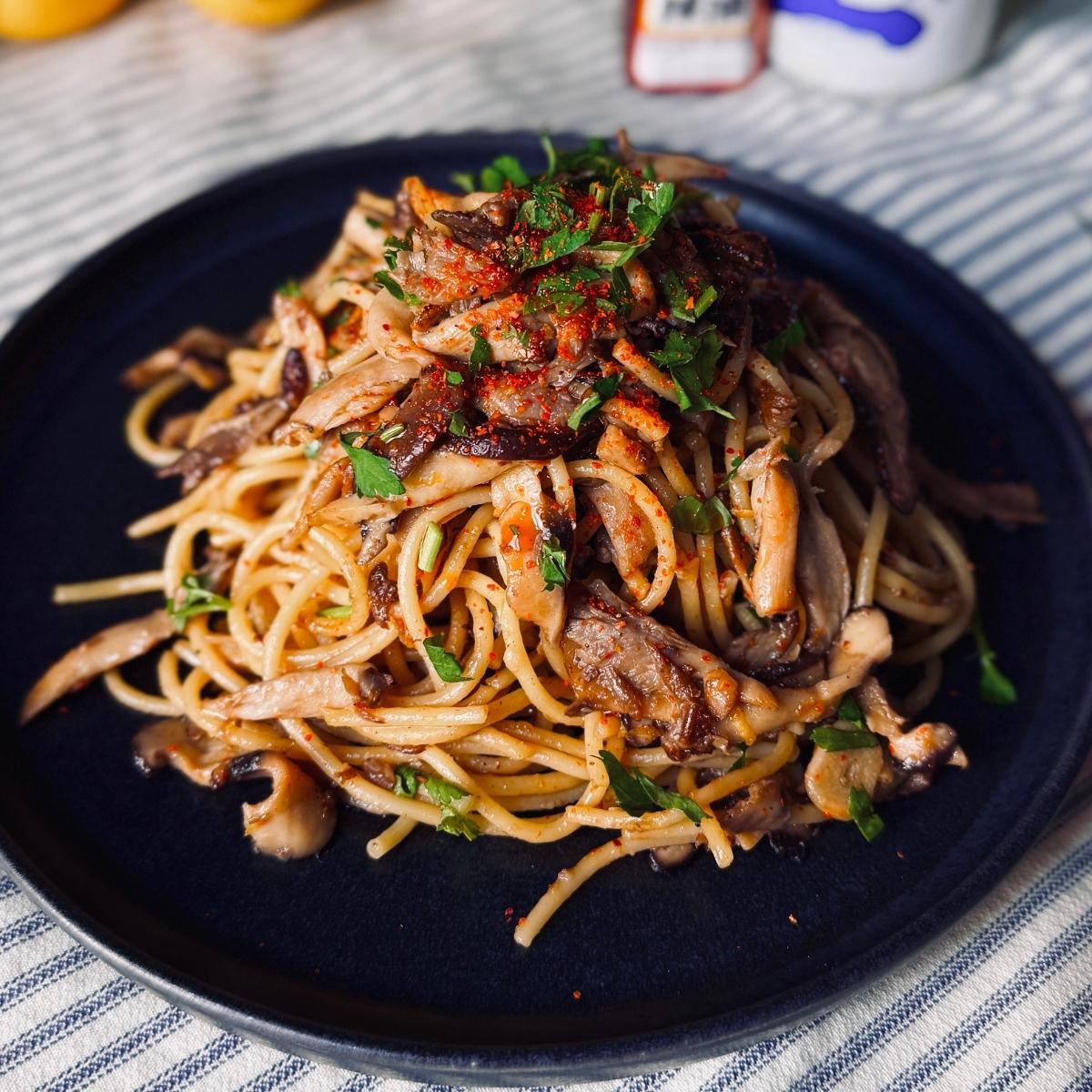
Work quickly to serve, dividing the miso mushroom pasta between bowls or plates and finishing with a generous handful of parsley. For extra punch, add a sprinkle of shichimi togarashi or a drizzle of La-yu chilli oil. If you like a nutty edge, toasted sesame seeds work beautifully, and for a touch more freshness you can grate over a little extra lemon zest. However you finish it, serve it hot and eat straight away.

Love this recipe?
Check out my top 10 vegan japanese recipes for more ideas
Substitutions
- Pasta → Swap ong pasta varieties for soba or udon noodles. Rice noodles will make the dish naturally gluten-free.
- Butter → Plant-based butter adds richness and gloss, but if you'd like to keep it lighter on the calories, you can skip it. A neutral oil like rapeseed or sunflower can carry the flavors but won't be quite as round.
- Chili → Dried chili flakes bring steady heat, while fresh bird's eye chilis add sharper fire. Chili powder is another option, though use it sparingly and add slowly to taste as it can quickly overpower the dish.
- La-yu → If you don't have La-yu, use a drizzle of toasted sesame oil mixed with a pinch of cayenne pepper. It won't have the exact depth or fragrance of the bottled stuff, but it'll still give you a nice spicy, nutty kick at the end.
Variations
- Green miso mushroom pasta - Toss in a handful of baby spinach, tenderstem broccoli, or even edamame beans when you add the pasta to the pan. The greens bring colour, freshness, and a lovely contrast to the deep umami flavours of the mushrooms and miso.
- Creamy miso mushroom pasta - For an extra indulgent version, stir in a splash of oat cream or soy cream right at the end of cooking. It makes the sauce silky and luscious, softening the salty edge of the miso and coating the pasta beautifully. A little squeeze of lemon juice balances the richness.
- Nutty miso mushroom pasta - Add toasted sesame seeds and a drizzle of toasted sesame oil just before serving. For even more bite, scatter over a handful of crushed roasted peanuts or cashews.
Equipment
- Colander - if you prefer draining the pasta before adding it to the sauce
- Large saucepan - for boiling the pasta with plenty of room to move
- Large frying pan or skillet - wide enough to fit the mushrooms without crowding, so they fry rather than steam
- Sharp knife - makes slicing garlic and mushrooms a breeze (a Japanese-style knife is perfect if you've got one)
- Chopping board - for prepping garlic, mushrooms, and parsley
- Fine grater or microplane - to zest the lemon without catching the bitter pith
- Small mixing bowl - for thinning out the miso paste
Storage
Miso mushroom pasta is best eaten fresh, straight from the pan. If you do have leftovers, store them in an airtight container in the fridge for up to 2 days. To reheat, warm gently in a frying pan with a splash of water or vegetable broth to loosen the sauce. This is to keep it silky rather than sticky or dry.
Miso mushroom pasta doesn't freeze well as both the pasta and mushrooms lose their pleasing texture when thawed.
Miso Mushroom Pasta FAQs
Yes. Just swap the spaghetti for a gluten-free pasta or rice noodles. Use tamari instead of soy sauce and you'll have a bowl of gluten-free miso mushroom pasta that still packs in all the umami.
White miso (shiromiso) gives a lighter, slightly sweet flavour, while red miso (akamiso) has more depth and intensity. I often use a mix of the two. Combining them balances the flavors and makes a creamy miso pasta sauce that works perfectly with the mushrooms. If you love cooking with miso as much as I do, you might also enjoy our miso aubergine .
Long pasta shapes generally work best, but this recipe is flexible enough to adapt to whatever you've got. Spaghetti is my go-to, but linguini, tagliatelle, or fettuccine are also great at absorbing flavor from the mushrooms and miso sauce.
The mushrooms and miso sauce can be cooked a few hours ahead and reheated gently. For the best result, cook the pasta fresh and toss it with the warmed sauce just before serving. That way the spaghetti soaks up the flavors without overcooking and ending up too soft.
It's hearty enough on its own, but it pairs well with a simple side salad, some steamed greens, or Japanese-inspired small plates like edamame or pickled vegetables. For drinks, try a crisp Japanese beer or chilled sake.
Yes. Plant-based butter gives the sauce its gloss, but you can use a splash of neutral oil if you prefer. For an extra creamy miso pasta, try stirring in a spoonful of oat cream or soy cream at the end. It softens the edges of the miso and makes the sauce coat the pasta beautifully.
Store any leftovers in an airtight container in the fridge for up to two days. To reheat, warm it gently in a frying pan with a splash of water or vegetable broth. This loosens the sauce and keeps the pasta glossy rather than claggy. Miso pasta recipes don't freeze well, as the texture of both pasta and mushrooms suffers.
Other popular recipes



📖 Recipe
Miso Mushroom Pasta (Vegan Japanese Fusion)
Equipment
- 1 colander for draining pasta
- 1 grater (fine) for zesting
- 1 skillet or frying pan for frying
- 1 Large saucepan for boiling the pasta
- 1 Sharp knife
- 1 Chopping board
- 1 small mixing bowl for thinning out miso paste
- A few prep bowls for setting aside ingredients
Ingredients
- 300 g mixed mushrooms (shiitake, oyster, enoki, chestnut or a mix)
- 200 g spaghetti (or other long pasta)
- 3 Tablespoons olive oil (or neutral cooking oil)
- 4 large garlic cloves, thinly sliced
- 1 lemon, zested
- 1 tablespoon miso paste (red, white or a mix), thinned with 2 tablespoons of hot water
- 1 tablespoon plant-based butter
- 1 tablespoon mirin
- 2-3 teaspoons soy sauce (or tamari for gluten-free)
- ¼ teaspoon dried chilli flakes (or to taste)
- Small handful flat-leaf parsley, chopped (stalks included)
- 2 tablespoon sea salt (for pasta water - 1tbsp/litre)
- Freshly ground black pepper, to taste
- La-yu chili oil (optional, to serve)
- Shichimi togarashi (optional, to serve)
Instructions cook mode
- Fill a large pot with 2L of water and season with salt (around 2 tbsp). Bring to the boil and add the spaghetti. (1L of water per 100g of pasta)
- While the pasta cooks, slice the garlic, zest the lemon, chop the parsley, and clean and cut the mushrooms into even ½ cm strips.
- Heat olive oil in a large pan over medium heat. Add the garlic and cook until just golden. Stir in the mushrooms and fry on higher heat until browned and glossy.
- Add the plant-based butter and thinned miso paste, followed by mirin, soy sauce, lemon zest, and chilli. Stir and let it bubble for a minute.
- By now the pasta should be just shy of al dente (slightly undercooked). Reserve around a cup (250ml) of pasta water, then drain. Add the spaghetti to the pan. Toss well so the pasta finishes cooking in the miso mushroom sauce. Add a splash of the pasta water if needed until the spaghetti and mushrooms are evenly coated and glossy. Season to taste.
- Divide into bowls and top with parsley. Add La-yu chilli oil and shichimi togarashi for extra heat and sesame flavour.
Notes
- Pair with watercress salad with Japanese sesame seed dressing and a side of salted edamame
- Enjoy with a cold Japanese beer. See our Japanese beer post for ideas.
- Try mugicha (roasted barley tea) for a non-alcoholic option
- Go gluten-free: Swap spaghetti for gluten-free pasta and use tamari instead of soy
- Best eaten fresh; leftovers keep 2 days in the fridge
- Reheat gently with a splash of water to loosen the sauce


Simone says
This was so yum!