
When I left home for university years ago, stocking my pantry with essential japanese ingredients proved nearly impossible due to their unavailability in local stores. Combined with the constraints of student life, enjoying hearty Japanese meals became a rare treat, reserved for visits home during school holidays. Today, we're far more fortunate-thanks to online shopping, we can have our favorite Japanese staples delivered to our doorsteps in just a few clicks, often within hours.
In this guide, I'll go over the must-have, Japanese basic ingredients, tips for picking the best ones, and a few extras to make your cooking even better. Whether you're into Japanese food, have been vegan for a while, or are just starting to try plant-based meals, this will help you make everything from miso soup to sushi rolls at home.

The Must-Have Essentials
These ingredients form the foundation of most vegan Japanese dishes. With just these pantry staples, you can begin creating all your favorite flavors.
1. Japanese Rice

Good rice is life in Japanese cooking. It's not just a backdrop for your main dish but a key player in its own right. Japanese short-grain or medium-grain rice, known for its slight stickiness and texture, works beautifully for dishes like eggplant nigiri, vegan beef don buri, or sweet potato katsu curry.
- Tip: Look for brands like Koshihikari or Akitakomachi, which are widely available in stores or online.
- Pro Tip: Always rinse your rice before cooking to remove excess starch, resulting in perfect, fluffy grains.
2. Soy Sauce

Soy sauce is an indispensable ingredient for adding that iconic umami flavor. Traditional Japanese soy sauce, or shoyu, is often slightly sweeter and more balanced than Chinese soy sauces. Tamari is another great option for a deeper flavor and most brands are wheat-free.
- Tip: Kikkoman is a trusted, widely available brand, and their organic or low-sodium varieties are perfect for health-conscious cooks.
3. Dashi Kombu

This dried kelp is an essential Japanese ingredient in broths. It has a mild, ocean-forward flavor that serves as the backbone for soups like miso and noodle dishes. Plus, it's naturally vegan and brings with it heaps of umami joy! Follow this recipe for making vegan dashi, that serves as the perfect base for hearty dishes like spicy miso ramen and vegan kitsune udon
- Tip: Many Asian grocery stores carry good dashi kombu options, but you can also find brands like Wel-pac and Clearspring online. Store it in an airtight container to maintain its quality.
4. Dried Shiitake Mushrooms

These chewy little treasures are flavor-packed and an excellent compliment to kombu for vegan dashi stock. Their deep, earthy umami adds complexity to soups and stews.
- Tip: Rehydrate dried shiitake in warm water, then use the umami laden liquid in your cooking. Asian markets often stock affordable bags or try online stores like Asian Food Grocer and Amazon. Brands like Clearspring have organic japanese shiitake at decent prices, otherwise Yutaka have more affordable chinese grown versions which have a good level of flavour.
5. Miso Paste (White Miso)

Miso is a fermented soybean paste brimming with rich, savory flavors. White miso (shiro miso) is the go-to for most applications due to its balanced salty and sweet profile. It's perfect for soups, marinades, and dressings. You'll need this ingredient for dishes like plant-based miso soup, miso aubergine (nasu dengaku) and spicy ramen.
- Tip: Brands like Hikari or Miko are delicious and easy to find. I find Yutaka's organic white miso some of the best and most accessible miso out there. Keep miso refrigerated to maintain freshness.
6. Mirin

This subtly sweet rice wine adds depth and a gentle glaze-like shine to dishes like teriyaki or braised vegetables. This ingredient is essential to most savoury japanese dishes.
- Tip: Opt for a high-quality hon-mirin (rather than mirin seasoning) for the best flavor. Make sure to check the ingredients and avoid those filled with syrups. You want a properly fermented mirin made with rice koji or what's sometimes labeled 'cultured rice'. Try brands like Clearspring or Hinode if they're available near you.
7. Sake (for cooking)

Traditional Japanese sake helps balance flavors, mellowing saltiness with a mild bittersweet note. It's often paired with soy sauce and mirin.
- Tip: Look for brands like Sho Chiku Bai, Hakutsuru and Sawanotsuru. Try to avoid "cooking wine" versions with salt and syrups. The only ingredients you want to see on the back are rice, koji and water.
8. Sesame Oil

Just a tiny drizzle of sesame oil can transform an ordinary dish with its bold, toasty aroma. It's a fantastic finishing touch for stir-fries, soups, or even dipping sauces. Try sesame in this simple vegan yakimeshi or this quick 6 minute noodles.
- Tip: Kadoya is a household name for a reason! A little goes a long way, so don't overdo it. One of the best non-japanese versions i've tried recently is the Emma basic pure toasted sesame oil which has a very rich flavour profile from cold pressed sesame seeds. Avoid 'blended' or 'flavoured' oils as these often contain other oils derived from harsh extraction processes.
9. Sugar

Japanese recipes often rely on a pinch of sugar to enhance sweetness and balance salty flavors. A standard sugar (white or brown) will work fine for most recipes. If you can, opt for organic cane sugar.
10. Tofu

Soft silken tofu can be used in a number of ways whether it's simmered in plant-based miso soup, coated and deep-fried for this agedashi tofu recipe or blended into creamy dressings. Firm or super firm tofu is best for 'meatier' textures. It doesn't break apart easily and can be pan fried and marinated to your heart's desire. Try in teriyaki tofu donburi, yaki udon and teriyaki tofu steaks.
- Tip: Extra-firm tofu works best for grilling or frying, while silken tofu shines in soups or desserts. Popular brands like Tofoo in the UK are great for the super firm version and clearspring make a good quality organic silken tofu.
11. Japanese Rice Vinegar

Japanese rice vinegar is a versatile and gentle ingredient that lends a subtle tang to many dishes. Made from fermented rice, it has a milder, slightly sweeter flavor compared to Western vinegars, making it an essential component for sushi rice, pickling, and salad dressings. Get yourself in a pickle by trying out pickled red chilis and these yummy quick pickled carrots. Both are quick and easy to prepare and ready in minutes!
- Tip: Look for unseasoned rice vinegar for greater versatility in recipes. Brands like Yutaka and Mizkan are trusted for their quality and taste. A small splash can go a long way in stir-fries, marinades and dipping sauces.
12. Kombu dashi powder

This is a magical pantry staple that brings a taste of the ocean to your kitchen. Derived from dried kelp, this traditional ingredient captures the quintessential umami flavor that is the heart of Japanese cuisine. With a subtle, savory depth, it's perfect for creating quick soups, stews, or even enhancing ramen broth at home. It's a great instant cheat ingredient when you just don't have enough time to make vegan dashi from scratch.
- Tip: Dissolve 8g of kombu dashi powder in 1 litre of hot water for an instant stock, or sprinkle it lightly into stir-fries or sauces for an extra layer of flavor. Brands like Shimaya offer high-quality options that are both convenient and authentic to Japanese cooking. Try this in my 6 minute noodles and use as a substitute to vegan dashi when your tight on time.
13. Noodles

Soba, udon, or ramen noodles are excellent for quick meals. For gluten-free 100% buckwheat soba, check out King Soba or for regular soba ramen noodles try Hime Joshu. For udon, Hime Joshu do a standard, cupboard friendly version. My favorite is Yutaka who deliver a very good quality frozen ramen to your door (in the UK). In the US, one of your best options is Ramen Kings.
- Tip: Frozen and vacuum packed versions are best for the ideal bite and texture.
Nice-to-Have Ingredients
Even though these aren't essential ingredients for japanese cuisine, these extras will help you create a greater vaiety of plant based Japanese dishes.
1. Nori

These dried seaweed sheets are a sushi essential and add a crisp, ocean-like flavor when crumbled into rice bowls or snacks. Brands like Yutaka and Nagai offer reliable, high-quality nori options. You'll need sheets of nori for avocado sushi and vegan eel nigiri.
2. Wakame

This dried seaweed rehydrates beautifully in seconds and is perfect for plant-based miso soups or salads. Its slightly chewy texture and savory taste are delightful. Look for brands like Yutaka and Tokon for high quality made in japan options.
3. Furikake

This rice seasoning often contains seaweed and sesame seeds, perfect for sprinkling on rice. For a vegan option, check the label or try brands like MISHIMA Yukari Gyomuyo (shiso furikake) or Tanaka's 6 veg furikake, both widely available online. Always double check ingredients on the back for allergens and vegan friendly ingredients.
4. Umeboshi

These tangy, salted pickled plums add a punch of flavor to onigiri rice balls or rice bowls. Try brands like Maruyama or Yusa Farm for authentic umeboshi. These can be very salty and sour depending on their salt to plum ratio (which is often denoted as a percentage on the packet somewhere). Whichever ones you choose, opt for plums that contain nothing but plums, salt and shiso.
5. La-yu Chili Oil

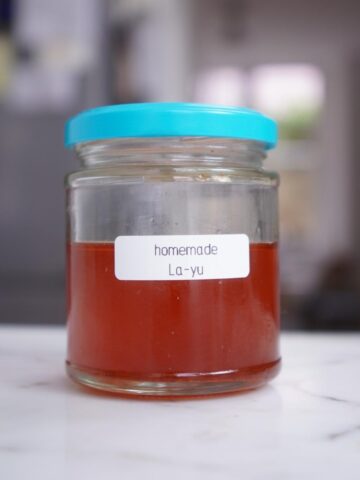
For spice lovers, La-yu is a must-try. This spiced sesame oil is a flavorful addition to gyoza dipping sauces or noodle dishes. Look for S&B's La-Yu or Maruhon Chili Oil for reliable, bold flavors. This isn't high on the scoville scale but the oil will add a little extra heat and a satisfying warmth to many savoury dishes.
6. Shichimi Togarashi (Japanese 7 Spice)

A zesty blend of chili, sesame, and other spices that adds a warm kick to soups, noodles, or even fries. Brands like S&B or House Foods offer authentic and widely available shichimi togarashi blends. Spice up your life with this togarashi fries recipe.
7. S&B Golden Curry Blocks

S&B Golden Curry blocks bring that rich, signature katsu curry sauce to your table with ease. These ready-to-use roux blocks help you whip up a delicious Japanese-style curry, perfect for a comforting family meal or a quick dinner inspired by your favorite restaurant. Just add the blocks to a pot of simmering veggies and tofu for a simple, flavorful dish everyone will love.
Non-essential but yum…
The following aren't essential japanese ingredients, but they're incredibly fun to experiment with if you want to take your vegan Japanese cooking even further.
- Shio Kombu (Salted seasoned kelp) - a classic onigiri filling
- Seaweed Paste (Intensely savory rice topping) - great for onigiri also
- Doubanjiang Paste (Fermented chili and bean paste) - good for spicy ramen broths
- Crispy fried onions (deep fried onions) for noodle and sushi toppings
Wrapping It Up
Stocking your pantry with these essential Japanese ingredients makes it easy to explore new flavors and dishes. These ingredients are perfect for making classics like miso soup or a bowl of sticky rice topped with furikake.
There's no need to buy everything at once-start with a few basics, try them out, and build your pantry over time. Most of these items are easy to find online, so getting started is simple.
Cooking is all about experimenting and finding what works for you. Try new combinations, keep it simple, and enjoy the process.
Happy cooking! 🍙
Related
Looking for recipes? Try these:






Michael says
This is a fantastic website! Thank you so much for taking the time to out all of the content together.
Aaron Zahl says
Thanks so much for the kind words! We’re really glad you’re enjoying the site, it means a lot to know it’s helpful. If there’s a dish you’d love to see us make vegan, let us know, we’re always looking for ideas.