Vegan Japanese

  • Start Here
  • Recipes
  • About
  • Contact
menu icon
go to homepage
  • Start Here
  • Recipes
  • About
  • Contact
  • Socials

    • Instagram
    • Pinterest
    • YouTube
  • search icon
    Homepage link
    • Start Here
    • Recipes
    • About
    • Contact
  • Socials

    • Instagram
    • Pinterest
    • YouTube
  • ×
    Home » Recipes » Foundations

    Perfect Japanese rice without a rice cooker

    Last updated: Apr 29, 2026 by Aaron Fukuyama · This post may contain affiliate links · Leave a Comment

    Jump to Recipe


    Fortunately, you can still make perfect Japanese rice using just a regular pot! While this method requires a little more attention and practice, the result is just as delicious as making it in a rice cooker.
    The key to perfect Japanese rice without a rice cooker is using the right amount of water. Too much can make the rice mushy; too little and it'll be undercooked. Follow this recipe for consistent, fluffy results.

    Cooked white rice in a bowl

    Perfect Japanese Rice – At a Glance

    Recipe Perfect Japanese rice without a rice cooker
    Ready in 30 min
    Serves 4 people
    Calories ~370 per serving (est.)
    Key ingredients Japanese white rice, cold water
    Course Side Dish

    Ask AI about this recipe

    Summaries, substitutions, scaling, allergen checks — or save this site to your AI for future recipe ideas.

    ChatGPT Grok Perplexity Claude Google AI

    AI answers can be wrong. Treat them as suggestions, not as a substitute for the recipe above.

    Add us as a trusted Google source


    My grandfather was a rice farmer in Satsuma Sendai, Kagoshima, and he taught me to appreciate the flavor and quality of good Japanese rice. One of my favorite memories from trips to Japan as a kid is having breakfast with my grandparents. We would eat freshly cooked Japanese rice with natto (sticky fermented beans) and crunchy daikon pickles. That warm bowl of rice was so simple but so so good! I'll never forget it. Even though high-quality rice can be pricey outside of Japan, there are still some great options available online.


    If you don't own a rice cooker, don't worry - all you need is good rice, the right amount of water, and a little practice. This simple recipe will guide you to a fluffy, sticky, steaming bowl of rice, just like you'd find in a Japanese home. Plus, this rice forms the base for so many other wonderful dishes, like Yaki Onigiri (Grilled Rice Balls) or this yummy Donburi Bowl with Mushrooms and Teriyaki Tofu.

    Jump to:
    • Perfect Japanese Rice – At a Glance
    • Ingredients
    • How to Make Perfect Japanese Rice
    • Japanese rice substitutions
    • Rice variations
    • Storage
    • How to make perfect Japanese rice every time
    • Perfect Japanese Rice FAQs
    • Explore more tasty vegan Japanese recipes
    • 📖 Recipe

    Ingredients

    There are only two things you need -

    • 2 cups of Japanese white rice
    • 2 ¼ cups of cold water
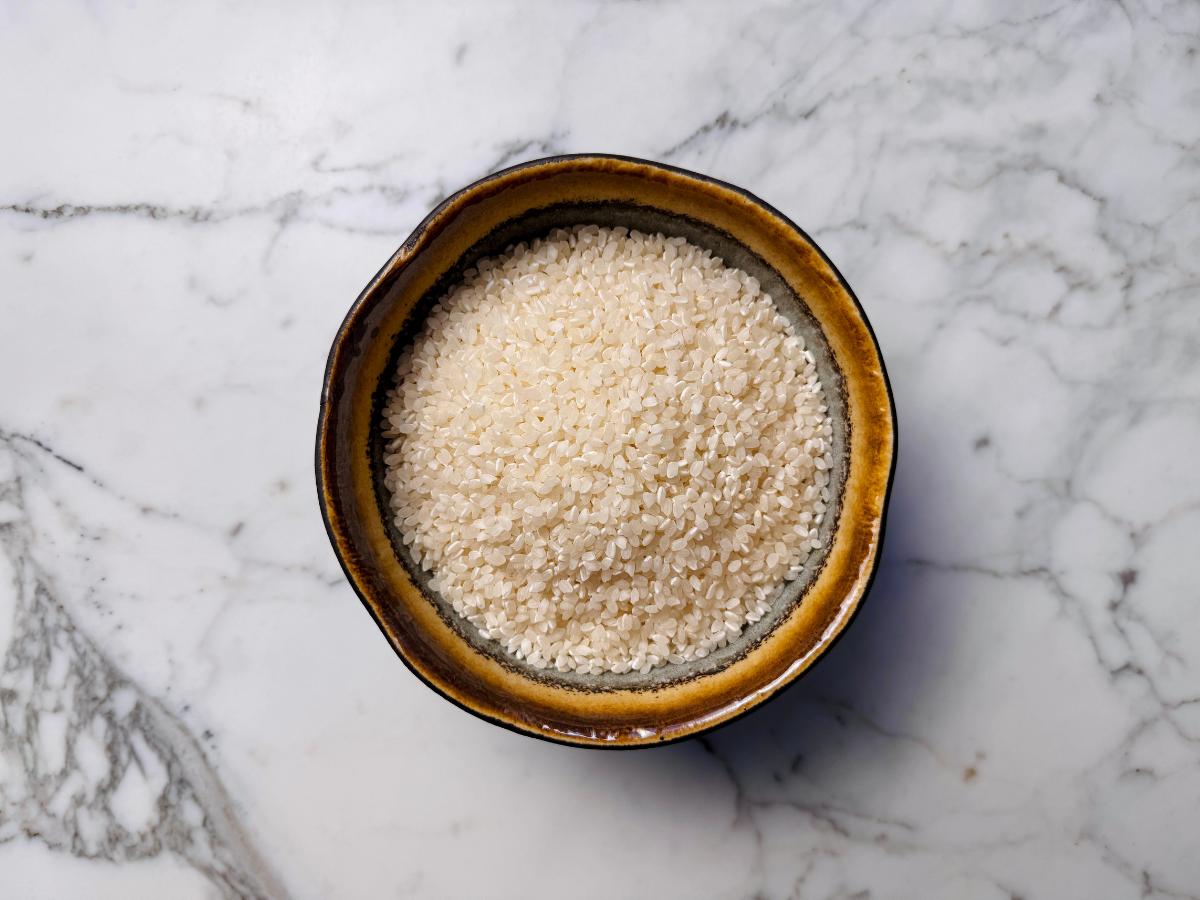
    Dry uncoooked rice in a brown bowl

    How to Make Perfect Japanese Rice

    Dry rice being poured into a saucepan
    1. Place the white rice in a large saucepan and set it in the sink or beneath your water source to begin rinsing.
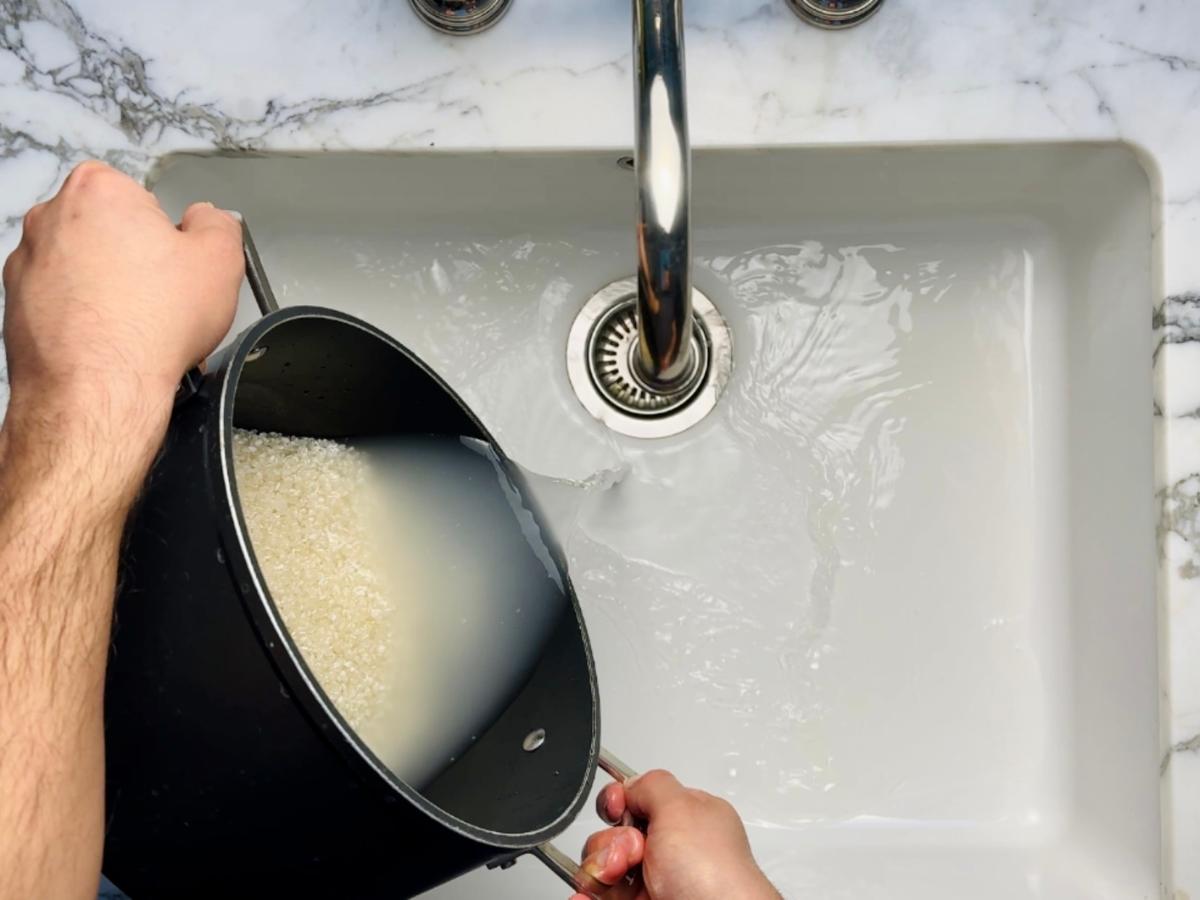
    Rice being rinsed and washed with water
    1. Wash the rice under cold water, gently swishing it with your hand to release excess starch. Rinse and carefully drain it three times, until the water runs mostly clear.
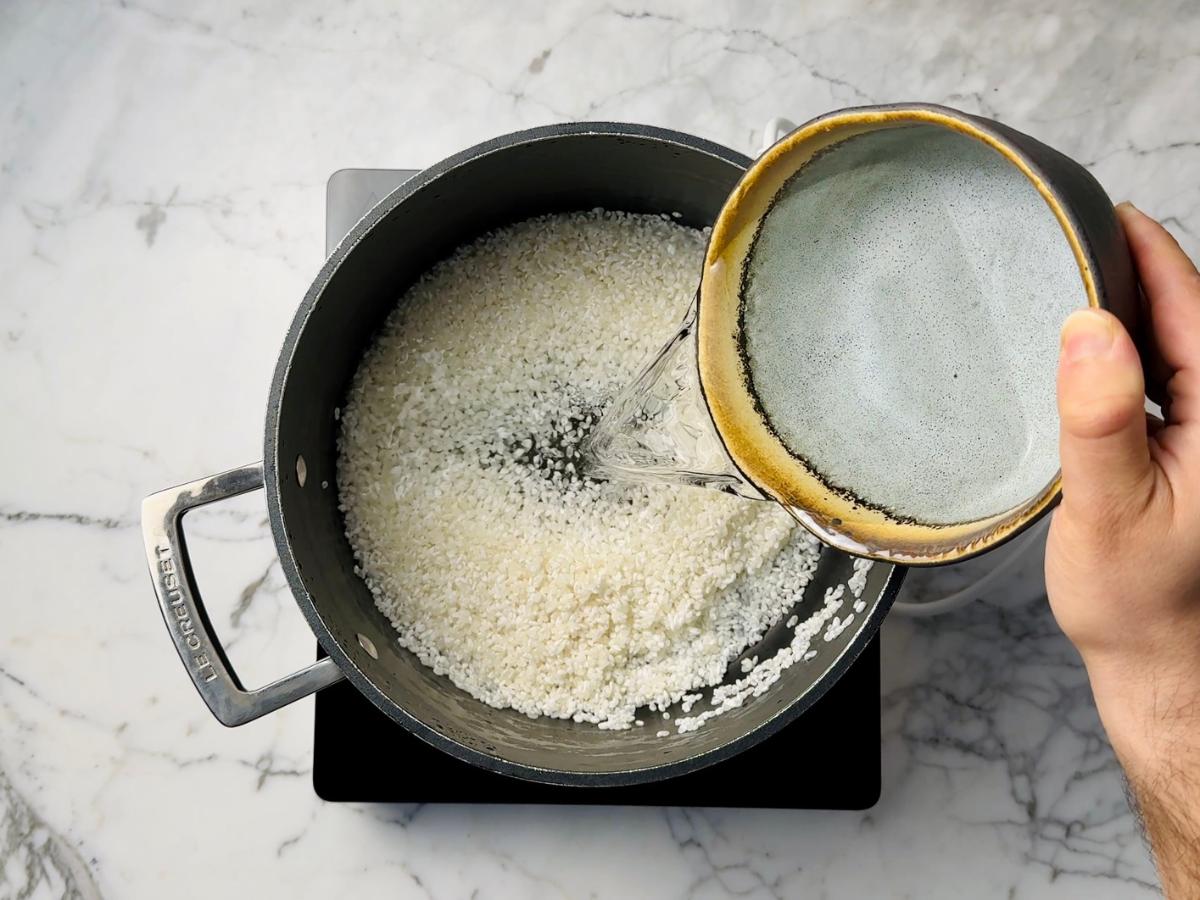
    clear cold water being poured from a bowl onto rice in a saucepan
    1. Add 2 ¼ cups of fresh cold water to the pan with the drained rice. Gently level the surface with your hand, without compressing the rice - there should be no peaks, dips, or gaps. Cover and allow it to rest and soak for 10-15mins.
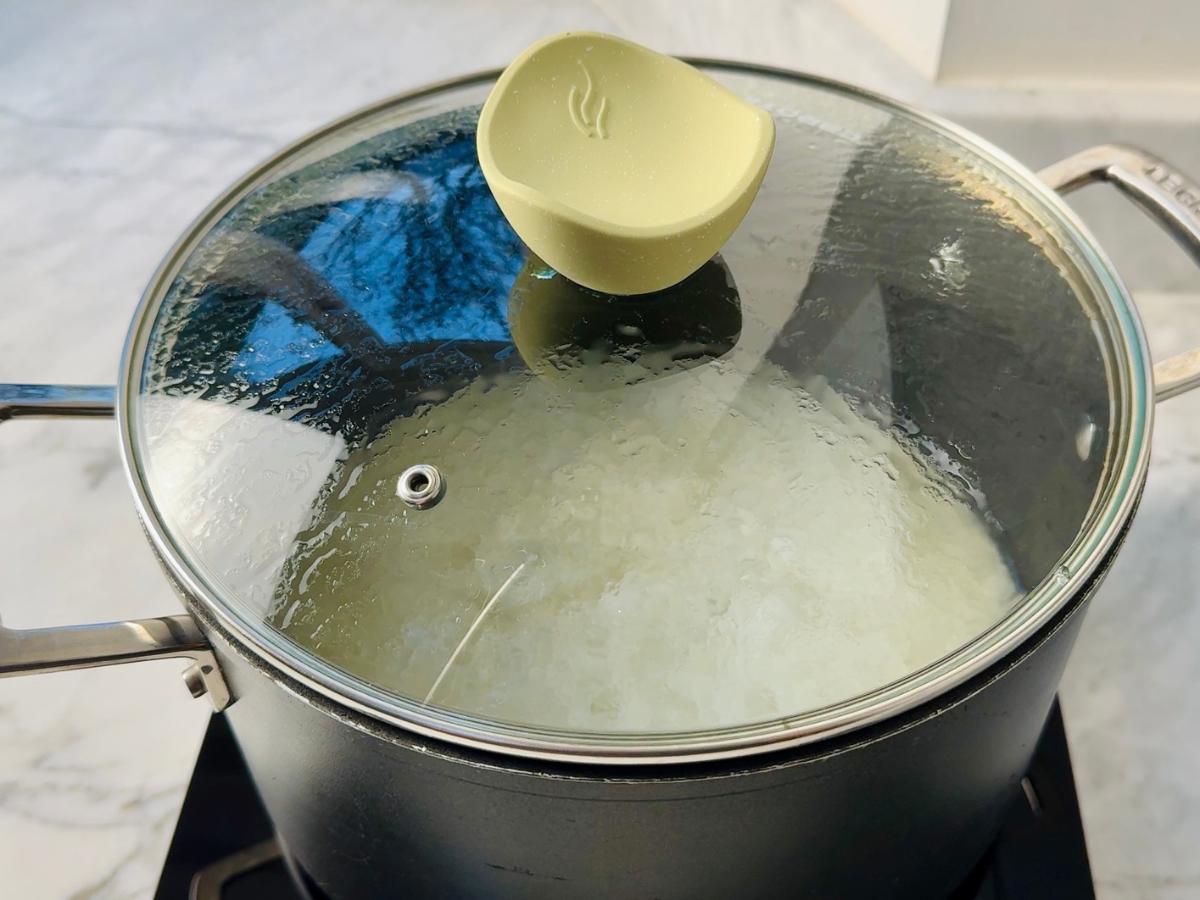
    Rice simmering in a saucepan
    1. Place the pan over a high heat. Do not remove the lid until Step 5.  As soon as the water begins to boil, immediately reduce the heat to a low simmer and cook for 15 minutes until all the water has absorbed.
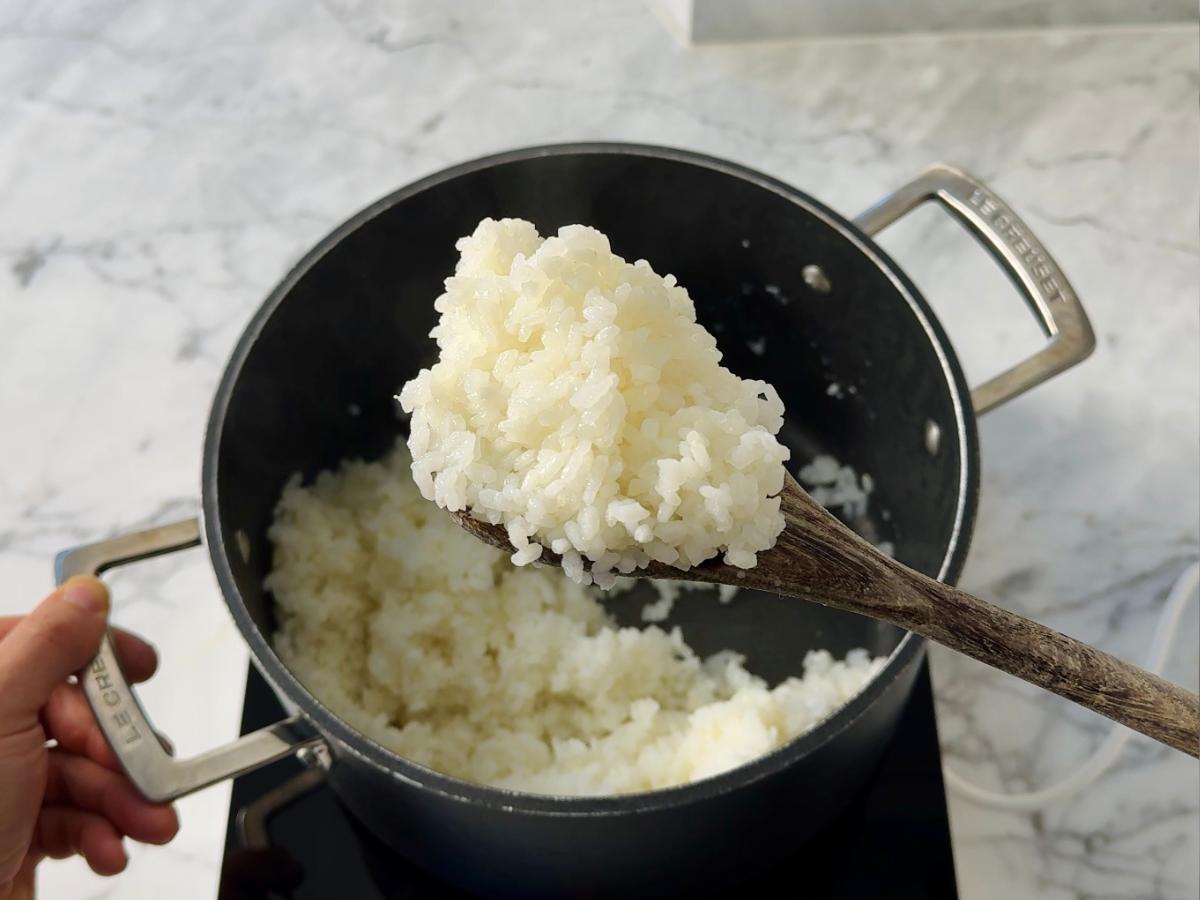
    Cooked rice on a wooden spatula

    5. Turn off the heat and let the rice rest, still covered, for 5 minutes to finish steaming. Your rice is now ready to serve with your favorite pickles or use as a base for your next recipe.

    Hint: Fluff the rice just before serving by gently using a spatula to lift and turn it. This process helps to separate the grains while creating air pockets, ensuring the rice is light and fluffy for a perfect texture.

    Japanese rice substitutions

    Feel free to substitute Japanese white rice for brown rice for your meals. In most cases this will work fine. Brown rice requires more water and a longer simmering time because of its higher fiber content and outer bran layer. However, the nutritional benefits of brown rice, including its richness in fiber and essential nutrients, often make the extra time and effort worthwhile.

    Rice variations

    For a fun and tasty way to jazz up plain Japanese white rice, try Endo-gohan - a simple yet delicious variation made with sweet green peas. To make Endo-gohan, add a handful of peas, 1 teaspoon of salt, 1 teaspoon of mirin, and an extra ¼ cup of water to your standard rice recipe. The additional water ensures the peas cook evenly alongside the rice, creating a harmonious blend of textures and flavors.

    If you're looking to boost the protein content or prefer a different taste, you can substitute the peas with shelled green soybeans (edamame). This simple swap adds extra nutrients and brings a nice hint of flavor that blends beautifully with the rice. Enjoy this simple yet versatile recipe as a refreshing alternative to plain white rice!

    Storage

    Cooked Japanese white rice is best consumed immediately after preparation to enjoy its optimal flavor and texture. However, if storing is necessary, ensure it is properly cooled and transferred to a sealed container. Refrigerate cooked Japanese white rice for up to 24 hours or freeze it in an airtight container for a maximum of 4 weeks. Proper storage prevents spoilage and maintains the rice's taste and quality for future use.

    How to make perfect Japanese rice every time

    Once the water has fully absorbed and the rice is tender, remove the pan from the heat and allow it to rest with the lid on for about 5 minutes. This resting period allows the residual steam to evenly distribute throughout the rice, ensuring a fluffy and well-textured result every time.

    Perfect Japanese Rice FAQs

    What is the ratio of water to Japanese rice?

    The perfect ratio of water to Japanese rice is 1:1.1 - 1:1.2. This means for every cup of rice, you should use slightly more than one cup of water. Achieving this balance is crucial to ensure the rice is cooked to the ideal texture - soft, fluffy, and slightly sticky, as is traditional for Japanese cuisine.

    Do you salt Japanese rice?

    When cooking Japanese rice, there is no need to add salt during the process. The natural flavor and texture of the rice are emphasized without any seasoning, allowing it to pair seamlessly with a variety of dishes. This simplicity is a hallmark of Japanese cuisine, where the focus is often on highlighting the intrinsic qualities of each ingredient.

    What happens if you don't wash Japanese rice?

    Washing rice before cooking helps to remove excess surface starch, ensuring that the grains remain separate and fluffy once cooked. This step is especially crucial for rice, where a light and airy texture is desired. Not washing it or roughly rinsing the rice will mean the result is stickier due to the excess starch.

    Explore more tasty vegan Japanese recipes

    • top down view of miso ramen with toppings. Wooden chopsticks resting on the lip of the bowl
      Vegan Miso Ramen - Quick 10 Minute Recipe
    • yuzu ramen pictured from above
      Yuzu Ramen (Japanese Citrus Noodle Soup Recipe)
    • mabo eggplant on a bed of rice
      Mabo Nasu (Mapo Eggplant 麻婆茄子)
    • Our Favourite Vegan Udon Noodle Recipes
    See more Main dishes →

    📖 Recipe

    Cooked perfectly fluffy japanese rice in a bowl

    Perfect Japanese rice without a rice cooker

    Aaron Fukuyama
    Make fluffy slightly sticky Japanese rice cooked without a rice cooker
    No ratings yet
    Print Recipe Pin Recipe
    Prep Time 10 minutes mins
    Cook Time 20 minutes mins
    Total Time 30 minutes mins
    Course Side Dish
    Cuisine Japanese, vegan, vegan Japanese
    Servings 4 people
    Calories 370 kcal

    Ingredients


    • 400 g Japanese white rice
    • 570 ml cold water

    Instructions
      cook mode 

    • Place the white rice in a large saucepan and set it in the sink or beneath your water source to begin rinsing.
      Dry rice being poured into a saucepan
    • Wash the rice under cold water, gently swishing it with your hand to release excess starch. Rinse and carefully drain it three times, until the water runs mostly clear.
      Rice being rinsed and washed with water
    • Add 2 ¼ cups of fresh cold water to the pan with the drained rice. Gently level the surface with your hand, without compressing the rice - there should be no peaks, dips, or gaps. Cover and allow it to rest and soak for 10-15mins.
      clear cold water being poured from a bowl onto japanese rice in a saucepan
    • Cover the pan with a lid and place it over high heat. Do not remove the lid until Step 5.  As soon as the water begins to boil, immediately reduce the heat to a low simmer and cook for 15 minutes, or until all the water is absorbed.
      Rice simmering in a saucepan
    • Turn off the heat and let the rice rest, still covered, for 5 minutes to finish steaming. Your rice is now ready to serve with your favorite pickles or use as a base for your next recipe.
      Cooked japanese rice on a wooden spatula

    Notes

    • Use Japanese short-grain rice. This recipe is designed for Japanese short-grain or medium-grain rice (such as Koshihikari). Long-grain rice like basmati or jasmine will not give the same sticky, fluffy result.
    • Rinse until the water runs clear. This removes excess surface starch. Skipping this step will result in stickier, clumpier rice.
    • Soak before cooking. The 10-15 minute soak in cold water helps the rice cook evenly and gives a better texture. Don't skip it if you can help it.
    • Do not lift the lid. Keep the lid on throughout cooking. Lifting it releases steam and disrupts the absorption process.
    • Rest after cooking. Once the heat is off, leave the rice covered for 5 minutes. This lets the steam redistribute and finishes the cooking gently.
    • Leftovers. Store cooled rice in an airtight container for up to 24 hours in the fridge, or freeze for up to 4 weeks.


    Nutrition

    Serving: 1 serveCalories: 370kcalCarbohydrates: 82gProtein: 7gFat: 1gSaturated Fat: 0.1gPolyunsaturated Fat: 0.2gMonounsaturated Fat: 0.2gSodium: 14mgPotassium: 77mgFiber: 3gCalcium: 15mgIron: 2mg
    Tried this recipe?Let us know how it was!

    More Foundations

    • vegan tofu recipes poster - a collage of 4 photos of finished tofu dishes. 1. agedashi, 2. sticky tofu, 3. kake udon, 4. tofu noodles - one image in each corner with graphic text overlayed which says "tofu recipes"
      Top 9 Vegan Tofu Recipes
    • japanese eggplant recipes thumbnail image
      Top 5 Japanese Eggplant Recipes
    • "rice recipes" writen in big bold font over a collage of rice dishes
      My Favourite Vegan Japanese Rice Recipes
    • sushi recipes poster
      Our Favourite Vegan Sushi

    Leave a Reply Cancel reply

    Your email address will not be published. Required fields are marked *

    Recipe Rating


    Aaron Zahl heads and shoulders photo in a cafe.

    Hi, we're Aaron and Jess!

    We love cooking vegan Japanese dishes and sharing tips for creating delicious recipes.

    Join us on this cooking adventure!

    More about us →

    Popular Recipes

    • A serving of tofu noodles in a round patterned bowl
      Tofu Noodles: Quick Vegan Stir-Fry in 20 Minutes
    • yuzu cocktails thumbnail poster
      Top 5 Yuzu Cocktails (Japanese Citrus Drinks to Try)
    • Yuzu Gin Fizz served in an old-fashioned glass over ice, showing a layered rose-to-citrus hue topped with a fresh herb garnish.
      Yuzu Gin Fizz | Vegan Japanese Pink Gin Fizz Cocktail
    • yuzu ramen pictured from above
      Yuzu Ramen (Japanese Citrus Noodle Soup Recipe)
    • yuzu gin sour in an old fashioned glass on a garden table basking in the sunshine
      Yuzu Gin Sour (Easy Japanese Gin Cocktail Recipe)
    • A white dish containing thinly sliced pink radish (with white flesh and pink skin), in some pink-brown coloured liquid.
      Pink Radish Pickles

    Trending Recipes

    • Eggplant agebitashi on a wooden tray garnished with grated radish, spring onions and ginger
      Eggplant Agebitashi (Nasu Agebitashi)
    • homemade rayu Japanese chili oil in jar
      Homemade Rayu (Japanese Ramen Chili Oil) Recipe
    • miso walnut pesto spaghetti on a large ound plate. Garnished with thyme
      Miso Pesto: A Japanese Twist on Classic Pesto
    • vegan fried chicken piled high on a small plate
      Vegan Fried Chicken
    • Close up of the beer and eggplant stir-fry served in a shallow bowl, garnished with spring onions.
      Beer and Eggplant Stir-Fry (10 Minute Recipe)
    • sticky tofu on a round plate garnished with spring onions and pickled ginger
      Sticky Tofu: Easy 10-Minute Recipe

    Footer

    ↑ back to top

    About

    • Privacy Policy
    • Terms & Conditions
    • Accessibility Policy

    Newsletter

    • Sign up

    Contact

    • Contact
    • Services

    Copyright © 2026 Vegan Japanese. All rights reserved.

    Vegan Japanese
    Manage Consent
    To provide the best experiences, we use technologies like cookies to store and/or access device information. Consenting to these technologies will allow us to process data such as browsing behavior or unique IDs on this site. Not consenting or withdrawing consent, may adversely affect certain features and functions.
    Functional Always active
    The technical storage or access is strictly necessary for the legitimate purpose of enabling the use of a specific service explicitly requested by the subscriber or user, or for the sole purpose of carrying out the transmission of a communication over an electronic communications network.
    Preferences
    The technical storage or access is necessary for the legitimate purpose of storing preferences that are not requested by the subscriber or user.
    Statistics
    The technical storage or access that is used exclusively for statistical purposes. The technical storage or access that is used exclusively for anonymous statistical purposes. Without a subpoena, voluntary compliance on the part of your Internet Service Provider, or additional records from a third party, information stored or retrieved for this purpose alone cannot usually be used to identify you.
    Marketing
    The technical storage or access is required to create user profiles to send advertising, or to track the user on a website or across several websites for similar marketing purposes.
    • Manage options
    • Manage services
    • Manage {vendor_count} vendors
    • Read more about these purposes
    View preferences
    • {title}
    • {title}
    • {title}
    Vegan Japanese
    Manage Consent
    To provide the best experiences, we use technologies like cookies to store and/or access device information. Consenting to these technologies will allow us to process data such as browsing behavior or unique IDs on this site. Not consenting or withdrawing consent, may adversely affect certain features and functions.
    Functional Always active
    The technical storage or access is strictly necessary for the legitimate purpose of enabling the use of a specific service explicitly requested by the subscriber or user, or for the sole purpose of carrying out the transmission of a communication over an electronic communications network.
    Preferences
    The technical storage or access is necessary for the legitimate purpose of storing preferences that are not requested by the subscriber or user.
    Statistics
    The technical storage or access that is used exclusively for statistical purposes. The technical storage or access that is used exclusively for anonymous statistical purposes. Without a subpoena, voluntary compliance on the part of your Internet Service Provider, or additional records from a third party, information stored or retrieved for this purpose alone cannot usually be used to identify you.
    Marketing
    The technical storage or access is required to create user profiles to send advertising, or to track the user on a website or across several websites for similar marketing purposes.
    • Manage options
    • Manage services
    • Manage {vendor_count} vendors
    • Read more about these purposes
    View preferences
    • {title}
    • {title}
    • {title}

    Rate This Recipe

    Your vote:


    A rating is required
    A name is required
    An email is required

    Perfect Japanese rice without a rice cooker

    Perfect Japanese rice without a rice cooker

    Ingredients

    • 400 g Japanese white rice
    • 570 ml cold water
    Dry rice being poured into a saucepan
    1
    Place the white rice in a large saucepan and set it in the sink or beneath your water source to begin rinsing.
    Rice being rinsed and washed with water
    2
    Wash the rice under cold water, gently swishing it with your hand to release excess starch. Rinse and carefully drain it three times, until the water runs mostly clear.
    clear cold water being poured from a bowl onto japanese rice in a saucepan
    3
    Add 2 1/4 cups of fresh cold water to the pan with the drained rice. Gently level the surface with your hand, without compressing the rice - there should be no peaks, dips, or gaps. Cover and allow it to rest and soak for 10-15mins.
    Rice simmering in a saucepan
    4
    Cover the pan with a lid and place it over high heat. Do not remove the lid until Step 5.  As soon as the water begins to boil, immediately reduce the heat to a low simmer and cook for 15 minutes, or until all the water is absorbed.
    Cooked japanese rice on a wooden spatula
    5
    Turn off the heat and let the rice rest, still covered, for 5 minutes to finish steaming. Your rice is now ready to serve with your favorite pickles or use as a base for your next recipe.

    Hope you enjoyed cooking this recipe!

    Please rate this recipe to help others find it.

    step 1 of 5