
Vegan caviar is a plant-based alternative to traditional fish roe - and it's an ingredient that's making waves in modern Japanese cuisine. Whether you're creating sushi at home or looking for an elegant garnish, vegan caviar delivers the briny pop and refined look of the real thing, without using any animal products.
Jump to:
What Is Vegan Caviar Made From?
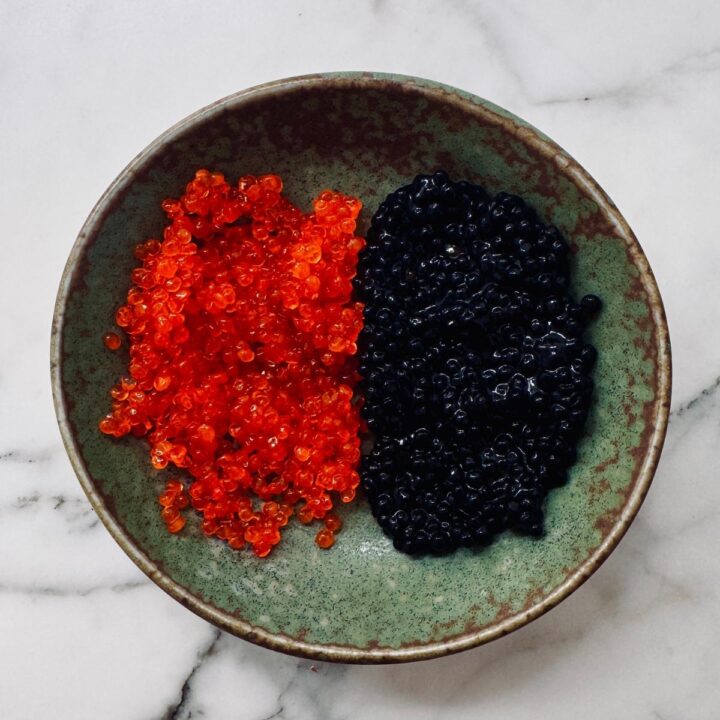
Unlike traditional caviar or tobiko, vegan caviar is typically made from seaweed extracts, natural flavorings, and plant-based gelling agents. The seaweed provides a subtle umami flavor and that slightly oceanic taste you'd expect from fish roe, while the gelling agents give it that signature pop-in-your-mouth texture.
Depending on the brand, ingredients may also include water, salt, lemon juice concentrate, and natural colorings like paprika extract or charcoal. It's a clever bit of food science that results in tiny pearls that look, taste, and feel a lot like the original - but without the fish.
Two Great Options: Cavi·Art® and Tosago®
When it comes to high-quality vegan caviar, two names stand out: Cavi·Art® and Tosago®. We use both in our recipes at Vegan Japanese, and they've quickly become staples in our plant-based sushi toolkit.
Cavi·Art® Black (Black Vegan Caviar)

Cavi·Art® Black is made from seaweed and crafted to mimic traditional black lumpfish roe. It has a mildly salty flavor and a clean, ocean-like finish. It's a great option if you're looking to replicate the look of classic black caviar on sushi, canapés, or cold appetizers.
You can see it in action in our Uramaki with Vegan Caviar recipe, where it adds contrast, depth, and a refined finish to every bite.
Tosago® Orange (Vegan Tobiko Alternative)

Tosago® is designed to resemble orange tobiko (flying fish roe) and is also made from seaweed. It's bright, slightly briny, and brings a vivid pop of color and texture to sushi rolls. It's especially great for vegan versions of sushi classics that typically use tobiko or masago.
We use it in our Vegan California Rolls to replicate the familiar look and taste of the original. It also appears in our Uramaki sushi alongside black Cavi·Art®, showing how beautifully these two ingredients can work together.
How to Use Vegan Caviar in Your Cooking
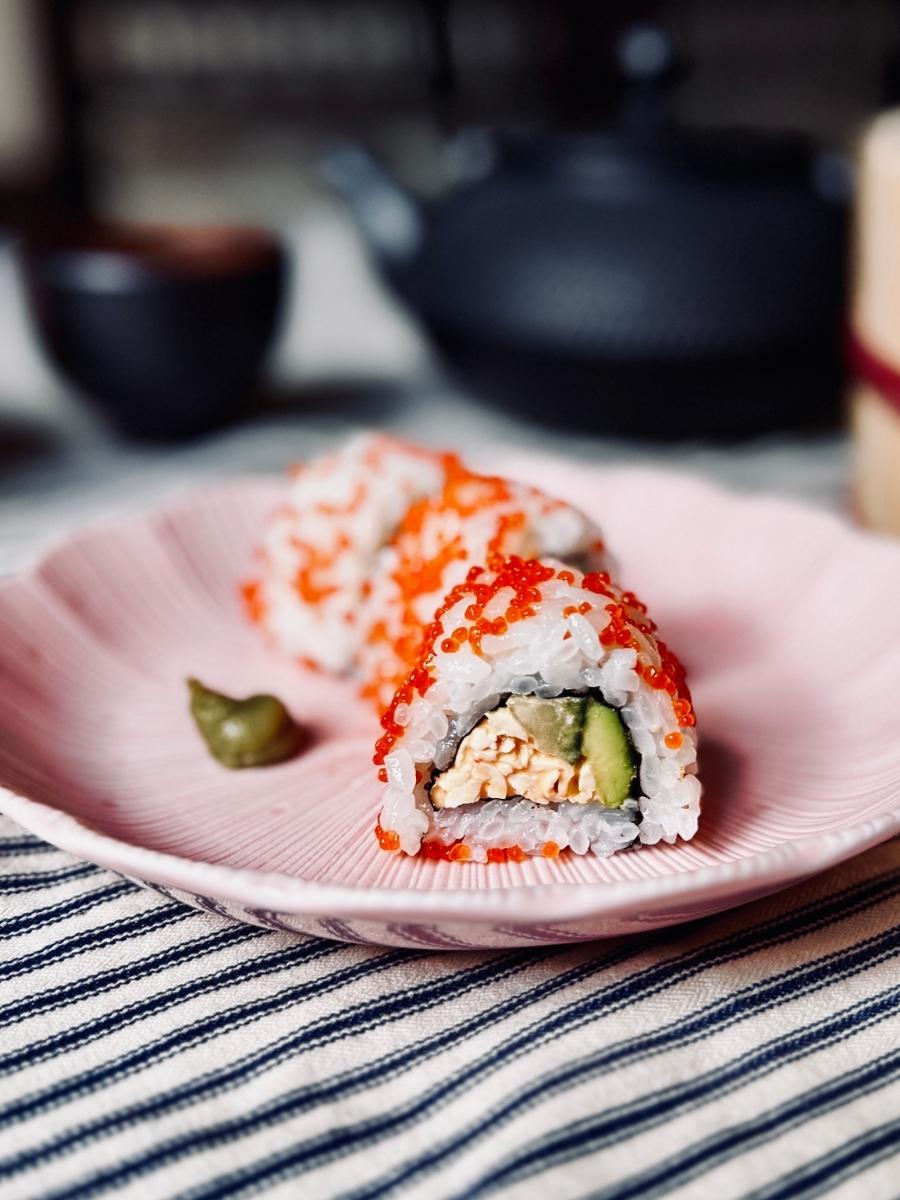
Vegan caviar is incredibly versatile and easy to use. Here are just a few ideas:
- Topping for sushi rolls - California rolls, caterpillar rolls, uramaki, and more.
- Garnish for appetizers - Add a spoonful to crackers, canapés, or blinis.
- Mix into cold dishes - Try it over chilled soba, tofu, or even a rice bowl.
- Elegant plating - Use it to add visual appeal to your homemade sushi.
Looking for recipe inspiration? Try these:
- Vegan California Rolls - A plant-based twist on the classic, with creamy avocado and orange Tosago®.
- Caterpillar Roll - Rich, layered, and beautifully topped with vegan caviar.
- Uramaki with Vegan Caviar - A balanced, eye-catching roll that uses both black and orange varieties.

Why Choose Vegan Caviar?
Choosing vegan caviar is about more than just avoiding animal products. It's a more sustainable option that helps reduce pressure on marine ecosystems, while still delivering that luxurious sushi experience. With products like Cavi·Art® and Tosago®, you don't have to compromise on taste or presentation.
Vegan caviar is one of those little upgrades that can elevate a dish instantly - a small touch that makes a big impact. Whether you're a sushi lover, a plant-based foodie, or just curious about alternatives, it's well worth adding to your pantry.
Want to explore more Japanese vegan cooking? Browse our full collection of vegan sushi recipes to get inspired.





Leave a Reply