
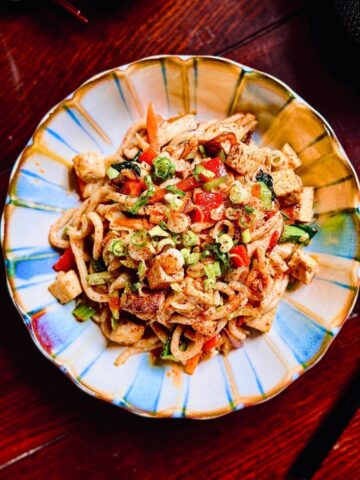
This is one of mum's classics. She would throw it together whenever there seemed to be nothing in the fridge and we needed something quick and filling for lunch. At first glance it looks like a simple pasta dish, but the takana (Japanese pickled mustard greens) and a splash of soy sauce take it somewhere else entirely.
The best part is how easy it is. You can make it in about 20 minutes with just a handful of cupboard staples. It's a proper carbolicious, family-friendly meal that feels more than the sum of its parts. Cook up a big pot for lunch or dinner and enjoy the leftovers the next day. It reheats beautifully, so nothing goes to waste.

Takana Spaghetti – At a Glance
Summarize this recipe with AI
What is Takana Spaghetti?
It's a bit like Italian aglio e olio, with garlic and olive oil, but the takana brings a salty, tangy punch that wakes up the pasta. I like to add a little kombu dashi powder for extra umami and finish it with a good pinch of chilli flakes for heat.
Takana itself is pickled mustard leaves, native to my mother's home prefecture of Kagoshima in southwestern Kyushu, Japan. You'll often see it served as a side dish or a topping for rice, part of a bigger meal. But here, the humble takana takes centre stage. Why? Because it's so frickin' delicious.
What makes Takana Spaghetti different from regular pasta?
Takana spaghetti belongs to a style of cooking in Japan known as wafu pasta - spaghetti (or other pasta) dishes that swap Italian flavours for Japanese ingredients. Instead of tomato sauces or cream, we use pickled mustard greens (takana) for a salty, tangy kick that's nothing like your usual pasta night.
If you'd like to try more wafu pasta, check out my Japanese mushroom spaghetti or miso mushroom pasta.
Jump to:
Ingredients You'll Need
Serves 4 | Prep time 5 minutes | Cooking time 15 minutes
- Spaghetti
- Takana (pickled mustard greens)
- Garlic
- Soy sauce
- Olive oil
- Chili flakes
- Salt
- Kombu dashi powder
A Closer Look
- Takana (pickled mustard greens): The star of this dish. Pre-chopped vacuum packs are inexpensive, easy to find at Asian supermarkets or online, and last for several meals. I bought a 1kg bag for about £4, which stretched to six meals for four people, with a bit left over to serve with rice. You can also buy whole leaves, but those need preparing.
- Spaghetti: Dried spaghetti is perfect here. It soaks up the garlicky oil and seasoning while keeping a good bite.
- Garlic and olive oil: The base of the dish, just like aglio e olio. Garlic brings the aroma and olive oil ties everything together.
- Soy sauce and salt: Just a splash of soy and a pinch of salt season the pasta without overpowering the takana.
- Kombu dashi powder (optional): A Japanese stock made from kelp. Stirring in a small amount makes the pasta taste even more like a proper home-style wafu dish.
- Chili flakes: Add to taste if you like a bit of spice.
How to Make Takana Spaghetti
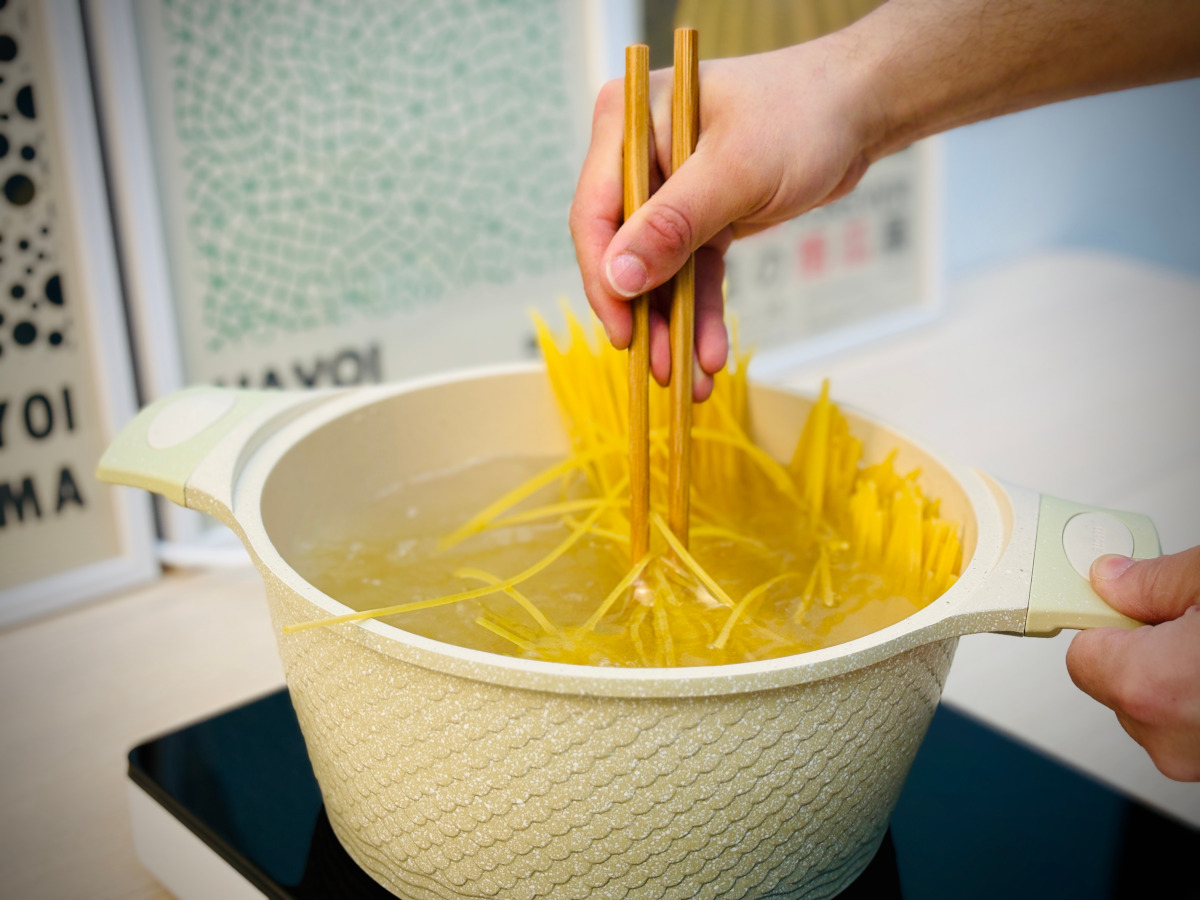
Start by getting a big pot of salted water on the boil. Don't be shy with the salt, it seasons the pasta right from the start. Drop in your spaghetti and cook it to packet instructions, giving it the odd stir so it doesn't clump together.
Peel and slice up your garlic nice and thin. You want it to cook quickly and flavour the oil without burning.

Heat a generous splash of olive oil in a large frying pan over medium heat, then add the garlic. Let it sizzle gently until it smells amazing, then tip in the chopped takana. If you're using them, this is the time to add chilli flakes and a little kombu dashi powder. Fry it all together for a minute or two so the flavours mingle.


By now your pasta should be nearly done. Drain it, keeping back a splash of the cooking water just in case, then toss the spaghetti straight into the pan with the garlic and takana. Turn the heat right up, splash in the soy sauce, and stir everything together so the pasta is well coated. If it looks a bit dry, loosen it with that reserved pasta water.

Tip: High cooking temperature at this stage is your friend. Cranking up the heat helps to seal the flavors in the spaghetti which is essential for optimal texture and taste.
Once it's all glossy and tumbled together, you're ready to serve. Divide it between bowls, sprinkle over a few more chilli flakes if you like things hot, and tuck in. In less than 20 minutes you've made a proper Japanese-style pasta that tastes incredible and reheats beautifully the next day.

In under 20 minutes you've got a big bowl of pasta that's cheap to make, tastes brilliant, and will fill up the whole family. It's one of those recipes you'll come back to again and again; proper comfort food you can throw together any day of the week.
Variations
Have some fun switching out or adding to the simple ingredients in your takana spaghetti. A few ideas:
- Pasta shapes - Create the same superb flavors with a different texture by choosing a another type of pasta instead of spaghetti. Penne, rigatoni, fusilli and farfalle are a few we've tried, tested and loved.
- Extra spicy - add Japanese chilli oil while combining the ingredients together in the pan. If you love more heat, garnish with more oil and pickled chilis.
- Vegan cheesy - Homemade vegan parmesan gives a cheesy crunch and a hit of umami. Combine 1 cup cashews with 1 cup nutritional yeast, season with garlic powder and salt, then whizz in a blender and sprinkle over the top.
- Gluten-free - If you're gluten-free or don't like pasta, fry up your takana with rice instead!
Storage and Leftovers
You can keep takana spaghetti in an airtight container in the fridge for up to 3 days. It's a great one to cook in bulk, we often make double so there's plenty left for lunch or dinner the next day. It reheats nicely in a pan with just a splash of water or oil to loosen it back up.
Takana Spaghetti FAQs
Takana is Japanese pickled mustard greens, especially popular in Kyushu, Japan. They're salty and tangy, often served as a pickle alongside rice, but here they shine as the star of a pasta dish.
They're really versatile. Toss them through noodles, stir them into fried rice, add them to soups, or use them in pasta like this takana spaghetti. They bring instant flavour with no extra prep.
Traditionally, takana is eaten as a pickle with rice. But it also works very well on ramen, alongside tofu, or cooked into quick dishes (like this takana spaghetti!) where you want a punch of umami and savoury tang.
Look for small jars or larger vacuum packs at Asian supermarkets, Japanese grocers, or online. Pre-chopped packs are especially handy, since they last for several meals.
Yes. Takana is a type of tsukemono (Japanese pickle), so you can pickle mustard leaves yourself. It takes a bit of time, which is why most people prefer to buy it ready-made.
Definitely. Pasta is hugely popular in Japan, especially spaghetti. Japanese-style pasta is called wafu pasta - dishes that use Japanese ingredients and seasonings in place of Italian ones. Examples include our Japanese mushroom spaghetti and miso mushroom pasta, as well as classics like napolitan (ketchup spaghetti). Takana spaghetti is another delicious wafu pasta to add to that list.
Other tasty recipes
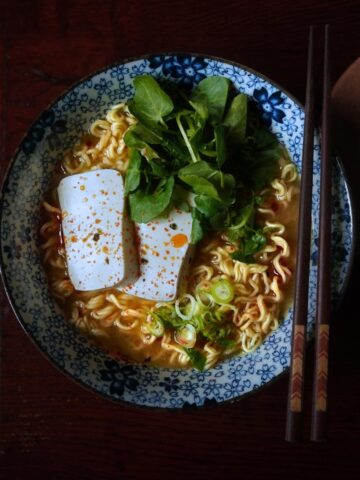
- Vegan Miso Ramen - Quick 10 Minute Recipe
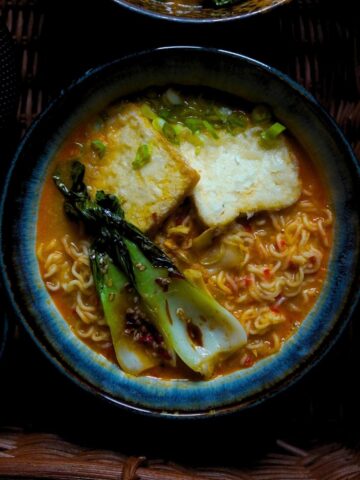
- Yuzu Ramen (Japanese Citrus Noodle Soup Recipe)
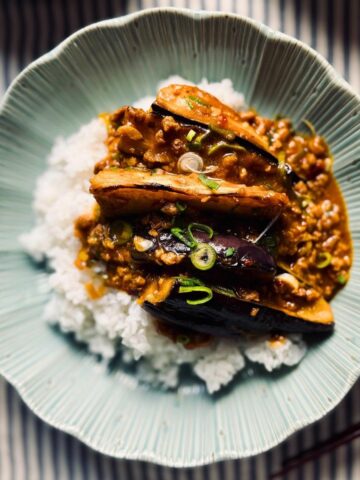
- Mabo Nasu (Mapo Eggplant 麻婆茄子)
- Our Favourite Vegan Udon Noodle Recipes
📖 Recipe

Easy Takana Spaghetti - Japanese Pickled Greens Pasta
Ingredients
- 500 g spaghetti
- 1 tablespoon salt, for boiling your spaghetti
- 150 g takana
- 6-8 cloves of garlic
- 1 teaspoon kombu dashi powder
- 1 tablespoon soy sauce
- 1 teaspoon chilli flakes
- 6 tablespoon olive oil
Instructions cook mode
- Bring a large pot of salted water to the boil. Cook the spaghetti according to the packet instructions, stirring occasionally so it doesn't stick.
- Peel and thinly slice the garlic.
- Heat the olive oil in a large frying pan over medium heat.
- Add the garlic and fry for 1 minute, then stir in the takana (pickled mustard greens), chilli flakes, and kombu dashi. Cook for 1-2 minutes.
- Drain the spaghetti and add it straight to the pan. Turn the heat to high, pour in the soy sauce, and toss until evenly coated. Add a splash of pasta water if needed.
- Serve immediately. Sprinkle with extra chilli flakes if you like.
Notes
- Make sure the garlic cooks gently; golden is perfect, but don't let it brown or it will taste bitter.
- Turn the heat high when tossing the pasta with the soy sauce. This helps it absorb the flavours and gives the best finish.
- Takana spaghetti is part of wafu pasta (Japanese-style pasta). Try our other recipes too: Japanese mushroom spaghetti and miso mushroom pasta.

Leave a Reply